Clean Truck Check Can Park Your Truck in California
California is still enforcing Clean Truck Check on trucks plated in every other state. Here is what a compliance hold actually costs a small carrier.
California is still enforcing Clean Truck Check on out of state trucks
If you are plated in Texas or Georgia and you run a load into California, the state expects your truck to be in its Clean Truck Check system before the tires cross the line. A lot of owner operators heard otherwise this year and it is worth clearing up, because guessing wrong on this one gets expensive.
In January 2026 the EPA rejected California's heavy duty inspection and maintenance rule as it applies to vehicles registered outside the state, citing the Commerce Clause, and approved the program only for California plated trucks. Heavy Duty Trucking reported the decision on January 29. What EPA withheld was credit, not authority. It will not count emissions reductions from out of state trucks toward California's air quality obligations, and CARB said it intends to keep enforcing the rule regardless. A CARB spokesperson called the announcement "a whole lot of bluster about bean counting."
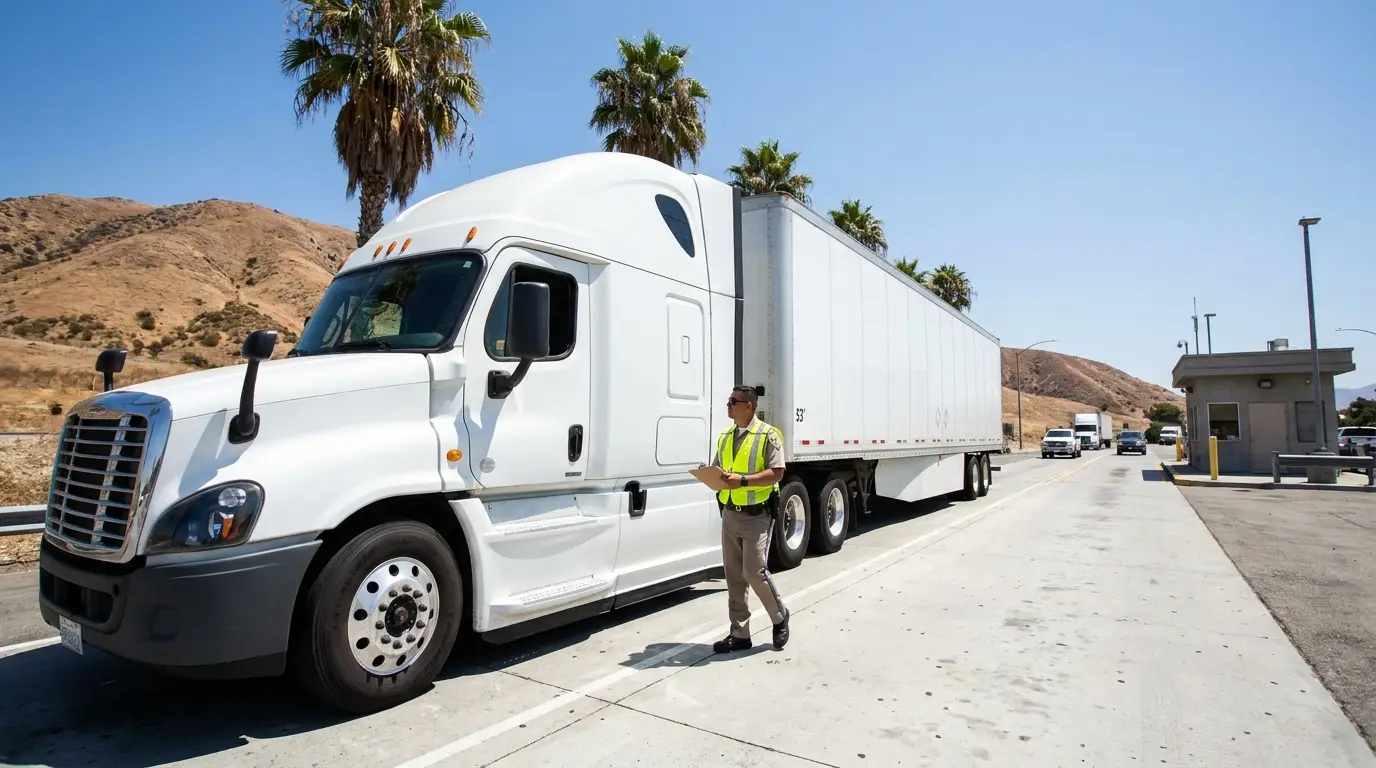
So nothing changed for a carrier plated anywhere else. The program covers nearly all non gasoline heavy duty vehicles rated over 14,000 pounds gross vehicle weight operating on California public roads, out of state plates included. Sort that out before you look at how your commercial truck insurance in California is built, because compliance and coverage land in the same conversation the day a truck gets stopped.
The three things California wants from you
CARB breaks it into three steps. Report the vehicle in the Clean Truck Check vehicle inspection system, pay the annual compliance fee, and submit a passing emissions compliance test performed by a credentialed tester. Testing applies to diesel vehicles from model year 2013 forward and alternative fuel vehicles from 2018 forward.
The fee moved this year. CARB raised it to $32.13 from $31.18, a consumer price index adjustment written into the regulation, and the new number applies to deadlines falling on or after January 1, 2026. A passing test can be submitted up to 90 days ahead of your deadline, which is the part most people miss. There is also a five day pass for occasional runs, one per year, and the request has to go in seven business days before you enter the state. That is not something you arrange from the on ramp. One more for the calendar, starting in October 2027 vehicles equipped with on board diagnostics move to testing four times a year.
A registration hold is a business problem, not a paperwork problem
The enforcement teeth come from SB 210. Miss any of the three requirements and the California DMV places a hold on the vehicle that blocks renewals and new registrations. A short list of transactions still goes through, including planned nonoperation, junking the unit, a duplicate title, and an out of state transfer, which tells you exactly how the hold is meant to work. You can retire the truck, you cannot renew it. CARB says the hold clears one to three business days after you satisfy the requirements.
Roadside is the other half. CARB and the California Highway Patrol run inspections, and the state uses remote emissions monitoring devices and automated license plate readers to flag likely high emitters. A flagged truck gets a notice requiring a passing test within 30 days. Civil penalties under Health and Safety Code section 42402 run from $1,000 to $10,000 per day per vehicle, and tampering carries up to $37,500 per violation.
What a parked truck costs on the insurance side
Here is where this stops being a compliance story. Nothing about a registration hold is insurable. The fine is yours, the retest is yours, and the days the truck sits are yours. Meanwhile the truck payment and the policy keep running on schedule, which is why a compliance stumble hurts a one truck operation far more than it hurts a fleet that can move the load to another unit.
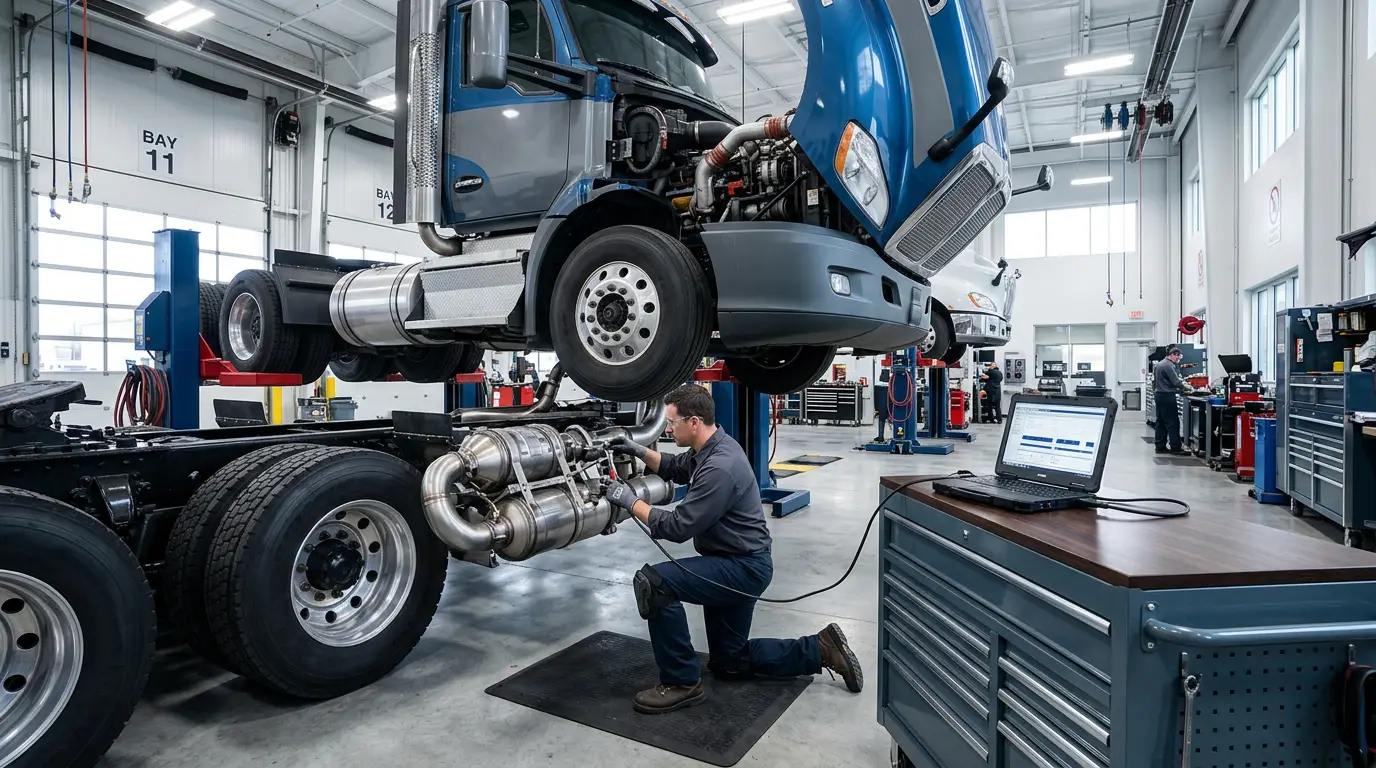
Two pieces of your policy still matter while the truck is down. Physical damage follows the unit wherever it sits, and a truck parked at an unfamiliar shop or an overflow lot in a market you do not know is not a low risk place to leave equipment. If the tractor is sidelined with a loaded trailer attached, read your motor truck cargo limit and the unattended vehicle language before you need them, because that is where a theft claim gets argued.
California checks trucks harder than most states
The compliance certificate is not the only thing an officer looks at once you are in the inspection lane. On February 26, 2026, nine CHP divisions ran a single day commercial detail along Interstate 15 from San Diego to the Nevada line. CDLLife reported the results. Out of 245 inspections, 40 vehicles and 18 drivers went out of service, four trucks were impounded, and officers wrote 352 commercial citations along with 24 registration violations and 27 operating authority violations.
That is the real cost of showing up unprepared in this state. An out of service order lands in the federal safety data an underwriter pulls at renewal, and it sits there far longer than the afternoon you lost. Clean compliance is not just about avoiding the fine, it is about what your record looks like the next time somebody prices your commercial auto liability.
Before your next California load
Pull up your Clean Truck Check account and confirm every unit is reported, the fee is paid, and a passing test is on file. Check the deadline dates rather than assuming they match your registration month, and book the test inside that 90 day window instead of the week it is due. If California is an occasional lane, request the five day pass with real lead time.
Then look at the coverage side, because a truck that runs California is priced differently than one that never leaves the Southeast. See our California truck insurance page, then call or text 423-264-4255 or get a truck insurance quote and we will walk through your limits against the lanes you actually run.
Common questions
Does Clean Truck Check apply if my truck is registered in another state?
Yes. CARB applies the program to nearly all non gasoline heavy duty vehicles rated over 14,000 pounds gross vehicle weight that operate on California public roads, including trucks registered elsewhere. The EPA declined in January 2026 to credit the out of state portion toward California's air quality obligations, but CARB has said it will continue enforcing the requirement on every truck operating in the state.
What happens if I miss a Clean Truck Check deadline?
The California DMV places a registration hold on the vehicle under SB 210, which blocks renewals and new registrations. Civil penalties under Health and Safety Code section 42402 range from $1,000 to $10,000 per day per vehicle. CARB says the hold clears one to three business days after you satisfy the requirements, and you then contact the DMV to finish the registration.
Can I run California once without enrolling every truck?
There is a five day pass for occasional trips, limited to one per year per vehicle, and the request must be submitted seven business days before you enter California. It is not something you can set up at the state line, so plan it before you book the load.
Does a California out of service order affect my truck insurance?
It can. An out of service order feeds the federal safety data that underwriters review at renewal, and the record outlives the day you lost. A clean inspection history is one of the few things a small carrier controls in its own pricing. Call or text 423-264-4255 and we will get a truck insurance quote together and show you where your record is helping or hurting.
Ready for a better rate?
We shop A-rated carriers against each other to find your lowest rate, fast. Under a minute to start, and no obligation.
Prefer to talk it through? Call or text (423) 264-4255 and a licensed agent will walk you through your options.