A Connecticut Low Bridge Gets Hit Almost Every Day
CTDOT counts more than 700 low bridges in Connecticut and says one gets struck almost every day. Here is what that claim really looks like for a small carrier, and why the parkways are the expensive version.
A Connecticut low bridge gets hit almost daily
On July 26, 2026, the Connecticut Department of Transportation put out a reminder that reads like a small thing and is not. The agency is backing a multi state awareness campaign called Check Your Height, Know It's Right, and inside the release is the number that should stop any owner operator running the Northeast. Connecticut has more than 700 bridges with less than 14 feet 6 inches of clearance. CTDOT says one of them gets struck almost every day.
That is not a rare event, it is a routine one, and it mostly happens to drivers who had no idea it was coming. Before you look at how commercial truck insurance in Connecticut gets priced, it helps to understand why this state produces this claim so reliably.
The reason is age. Much of Connecticut's road and rail network was laid out long before modern trailer heights, and most of those structures were never raised. CTDOT Commissioner Garrett Eucalitto made the practical point in the release. GPS apps are helpful navigation tools, he said, but they do not identify what you are driving and they do not flag a low bridge. Knowing your height and reading the posted signs is the driver's job.
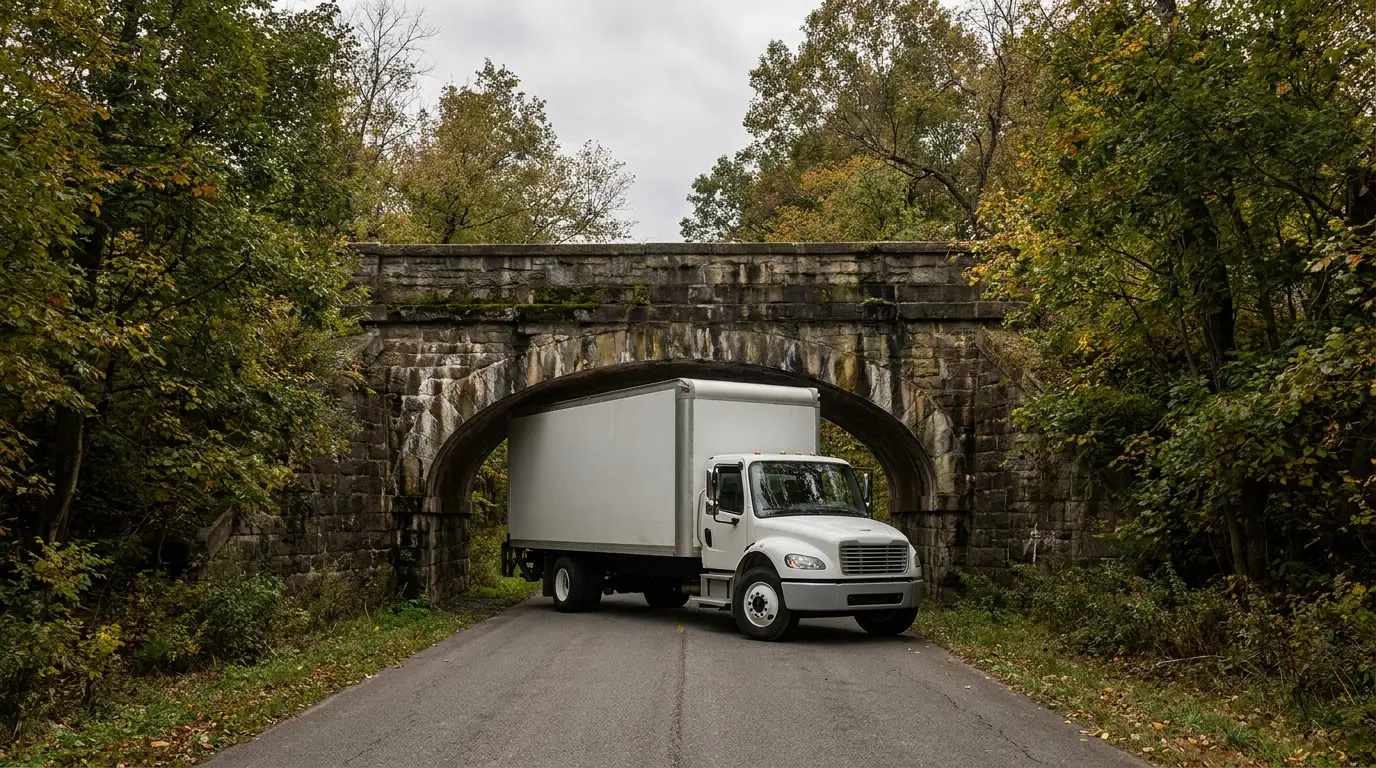
The parkways are not a shortcut, they are a ban
The most expensive version of this mistake happens on Route 15. Connecticut restricts three parkways outright, the Merritt Parkway from Greenwich to Exit 54 in Milford, the Wilbur Cross Parkway from Exit 54 to the I-91 overpass in Meriden, and the Milford Parkway.
The limits are dimensional rather than weight based. CTDOT prohibits any vehicle more than 8 feet tall, more than 24 feet long, or more than 7 feet 6 inches wide. Box trucks and tractor trailers are out. So are trailers of any kind, and so is every rental truck regardless of what is in it. Vehicles on combination plates are barred unless they are under 7,500 pounds gross. The Office of the State Traffic Administration can issue a parkway permit, but only for roadway work or life saving events.
The ticket for simply being there is almost beside the point. Land Line reported the first offense fine at $90, and 2023 bills to raise it to $150 and $500 stalled in committee. Ninety dollars is not what a wrong turn onto the Merritt actually costs you.
One strike, three coverages, and a bill from the state
Here is what a bridge strike is on the insurance side. Not one claim, but several arriving at once.
The unit comes first. A box roof peeled back or a trailer sheared open is a physical damage loss with your deductible and your downtime attached, and on that kind of impact equipment is often written off rather than repaired. The freight is second, because a load crushed against the ceiling or left open to weather is a motor truck cargo claim stacked on top of it. Third is everything that was never yours. The structure, the debris in the roadway, and anyone who could not stop behind you all sit in commercial auto liability, and on a rail bridge that can extend to a railroad's inspection costs and service disruption.
That third piece is the one small carriers underestimate. Agencies pursue it. AASHTO Journal reported that Arizona alone processed 14 bridge strike claims in recent fiscal years and recovered close to $2.9 million in damages. The owner of the truck is who they recover from.
The Newtown case and why the clock matters
A recent Connecticut incident shows how ordinary this is. On June 23, 2026, a westbound box truck struck an overhead railroad bridge on Botsford Hill Road near Swamp Road in Newtown. Police said the driver was unfamiliar with the area and did not realize the truck exceeded the bridge's height restriction, per Newtown Patch. Damage to the truck was minor, the bridge showed none, nobody was hurt, and the driver received a verbal warning rather than a charge. The Housatonic Railroad was contacted to inspect the structure.
Then comes the detail that matters. The driver continued making scheduled deliveries and reported the crash the following day.
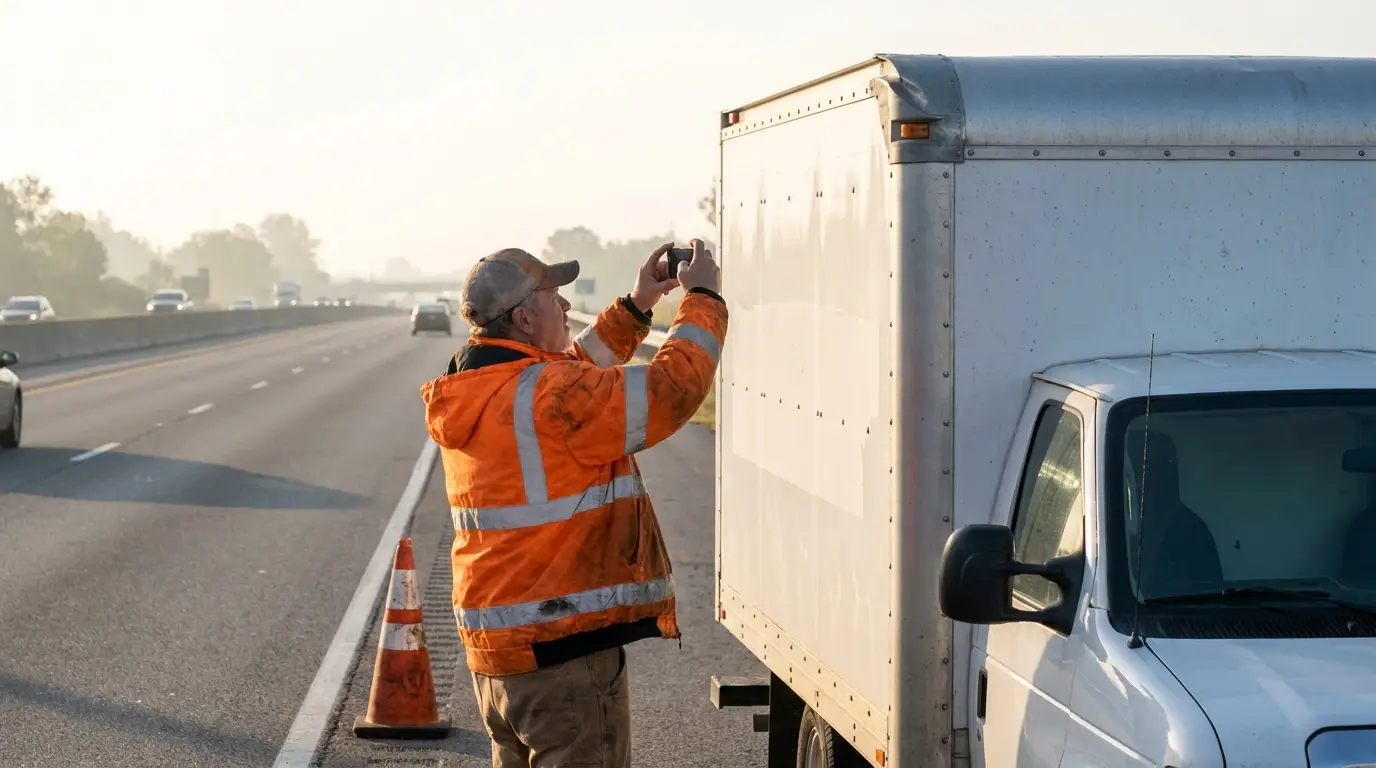
That is the habit to fix. No driver can rule out structural damage from the cab, and a railroad inspection can turn a nothing event into a real claim days later. Late notice hands an adjuster a gap they otherwise would not have. Report it the same day, photograph the clearance sign and the point of contact, and get the police case number even when nobody writes you a ticket.
What actually prevents it
Three things, none of them expensive. Know your real loaded height rather than the spec sheet number, because a reefer unit, a raised fifth wheel, or a tarped load all change it. Route with truck specific software carrying clearance data instead of a consumer app. And brief any driver new to the Northeast on the parkways by name, because Route 15 looks like an ordinary divided highway on a phone screen right up until the arch.
Connecticut is a small state that punishes unfamiliarity harder than most. See our Connecticut truck insurance page for how we write coverage here, then call or text 423-264-4255 or get a truck insurance quote and we will check your physical damage, cargo and liability limits against the lanes you actually run.
Common questions
Can a box truck or tractor trailer use the Merritt Parkway?
No. CTDOT prohibits commercial vehicles on the Merritt Parkway, the Wilbur Cross Parkway and the Milford Parkway. The limits are dimensional, so anything more than 8 feet tall, more than 24 feet long, or more than 7 feet 6 inches wide is barred, along with trailers of any kind and all rental trucks. Vehicles on combination plates are out unless they are under 7,500 pounds gross. The Office of the State Traffic Administration issues parkway permits only for roadway work or life saving events.
What insurance covers a bridge strike?
Usually three coverages at the same time. Physical damage answers for your truck or trailer, motor truck cargo answers for the freight if the load is crushed or exposed, and commercial auto liability answers for the structure itself and for other vehicles caught in the debris. Fines and citations are never insurable. Call or text 423-264-4255 and we will look at whether your limits are sized for a claim that hits all three at once.
Will Connecticut bill me for repairing the bridge?
Expect a claim. Public agencies and railroads pursue the truck owner for structural repair costs, and the amounts are not small. AASHTO Journal reported that Arizona processed 14 bridge strike claims in recent fiscal years and recouped nearly $2.9 million in damages. That recovery lands against your liability coverage, which is why the limit matters far more than the visible dent in your own equipment suggests.
How many low bridges does Connecticut have?
CTDOT counts more than 700 structures with less than 14 feet 6 inches of clearance, including bridges on the Merritt Parkway and throughout the state's railroad corridors, and says a low bridge is hit almost daily. Consumer GPS apps do not know your vehicle height and will not warn you about any of them. If you are adding Connecticut lanes this year, get a truck insurance quote and confirm your limits before the first run rather than after.
Ready for a better rate?
We shop A-rated carriers against each other to find your lowest rate, fast. Under a minute to start, and no obligation.
Prefer to talk it through? Call or text (423) 264-4255 and a licensed agent will walk you through your options.