Trucks No Longer Drop to 5 MPH When DEF Systems Fail
The final DEF inducement speed goes from 5 mph to 25 mph and the repair window goes from 4 hours to 160 hours. The old behavior was a liability exposure, not just a downtime problem.
Volvo and Mack are ending the 5 mph DEF derate
Trucking Dive reported on August 11 that Volvo Trucks and Mack Trucks are rolling out diesel exhaust fluid inducement software updates across their engine lineups, following announcements both companies made on July 27. Cummins, Paccar and Detroit had already announced similar updates, so this is now an industry wide change rather than one truckmaker's decision.
The software puts guidance the EPA issued in August 2025 into actual trucks. Two numbers carry the whole story. The final inducement speed goes from 5 mph to 25 mph, and the window to get the repair done stretches from 4 hours to 160 hours. Peter Voorhoeve, president of Volvo Trucks North America, said extending the repair window and raising the final speed helps drivers keep their trucks on the road and reach a service location safely. Jonathan Randall, president of Mack Trucks North America, described it as a practical solution supporting both compliance and operational efficiency.
Why 5 mph was a liability problem and not just a downtime problem
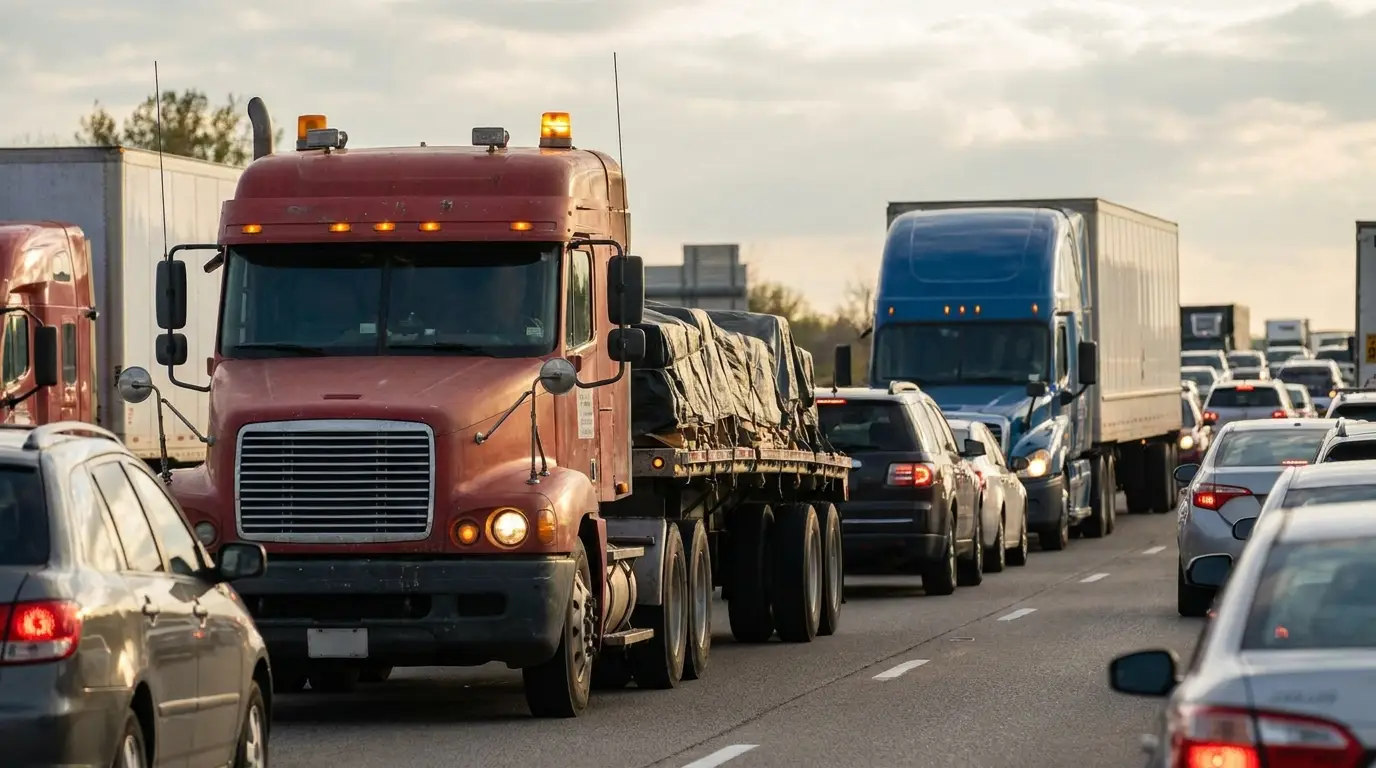
An inducement starts with a fault. Low fluid level, a failed sensor, a selective catalytic reduction issue. The engine software then walks the truck down through reduced power until it reaches the final speed, and until now that final speed was 5 mph. Think about where that leaves an 80,000 pound combination. Not on a shoulder you picked. Wherever the counter happened to run out.
A truck at 5 mph in a lane posted at 70 is the widest closing speed gap it is possible to create on an interstate, and the crash that follows is a rear end collision the driver behind you had almost no distance to avoid. It is your liability claim even though the truck was doing exactly what the emissions computer told it to do. Twenty five mph is still slow, but it is a speed that carries you to an exit, a ramp or a truck stop instead of turning a travel lane into the repair bay. That is the real insurance content of this update.
The failure itself is not a claim, and it pays to know that now
Be clear about what your policy does here. A failed DEF sensor, a plugged canister or a bad dosing injector is mechanical breakdown, and mechanical breakdown is excluded on essentially every commercial physical damage form. The diagnostic time, the parts, the dealer labor, the tow that happens because the truck derated, and the revenue you did not earn while it sat are all maintenance expenses you carry yourself. Same as a worn brake drum.
What insurance answers is the consequence. Your commercial auto liability responds to the crash caused by a truck moving far below traffic speed, and that is the exposure the federal minimum limit was never sized for. Your physical damage coverage responds to collision damage to your own tractor and trailer, not to the emissions part that started the sequence. Knowing which side of that line you are standing on is what keeps a small carrier from filing a claim that gets denied and still shows up as a reported loss at the next renewal.
The load does not wait for the shop
Then there is the trailer. A derated tractor with freight on it turns a maintenance problem into a cargo problem. If the truck limps in at 25 mph the delivery is late. If it stops where the counter ran out, you have a loaded trailer sitting somewhere nobody planned for, and the theft and unattended vehicle conditions in a motor truck cargo policy were written assuming a secure yard. Reefer freight is the sharp version of this, because the clock on the product does not care that the tractor is speed limited.
Take the update, then write down that you took it
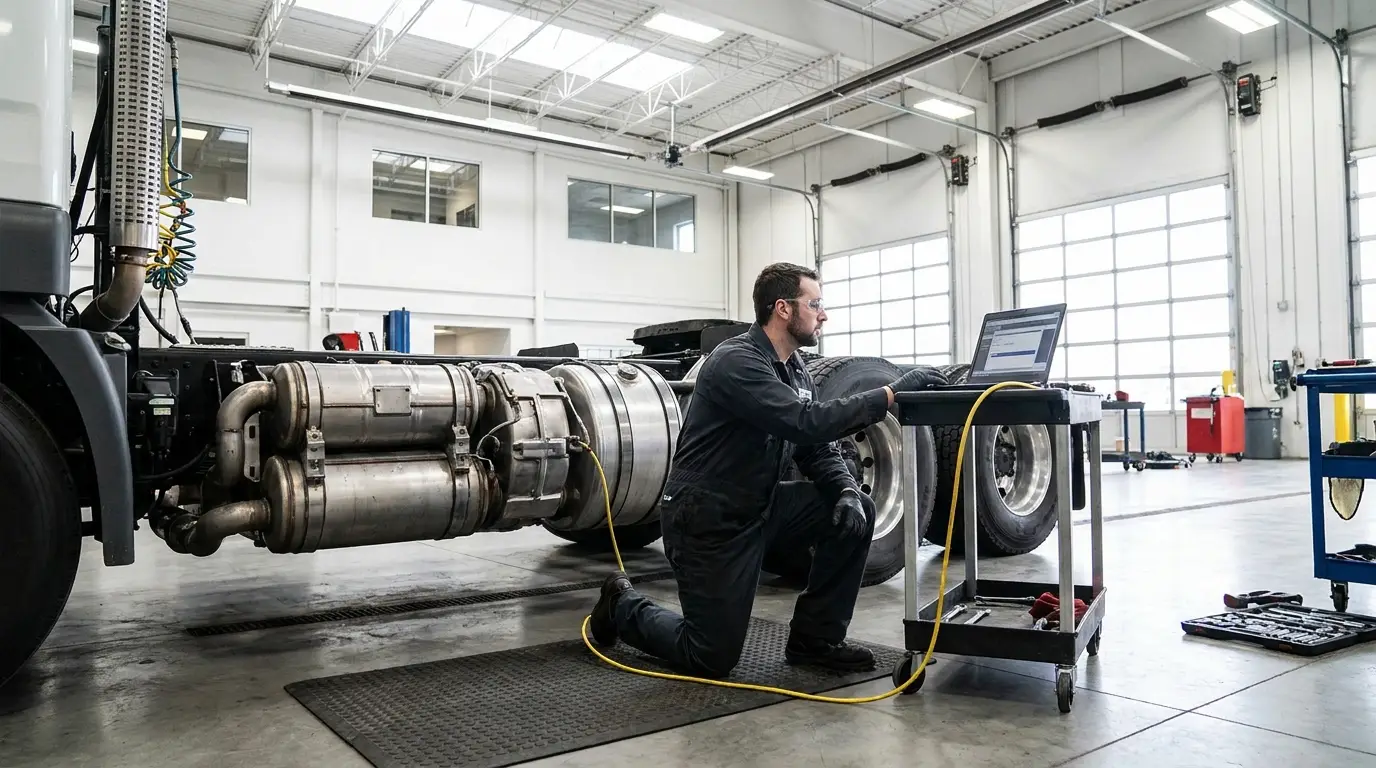
Volvo has been building the updated software into new VNL and VNR trucks with D13 VGT and D13 TC engines since May 2026, and Mack has done the same on Pioneer and Anthem models with MP13 engines. Both plan remote updates for model year 2024 and newer trucks by the end of the summer, post-2014 trucks by the second quarter of 2027, and eligible post-2010 trucks by the end of 2027. Anything without remote update capability gets it at a dealer.
Here is the part nobody tells an owner-operator. Your maintenance records get read after a serious crash. If a derate had your truck crawling in a travel lane, and the software fix that would have kept it at a survivable speed was available and free and you never took it, that gap is an argument sitting there waiting for a plaintiff's attorney. So take the update, then put the date, the unit number and the dealer or remote confirmation in the file. It costs nothing and it is the cheapest piece of crash defense you will ever get.
Get a truck insurance quote in under a minute and we will size liability and physical damage to how your trucks actually run rather than to the old federal floor. Request a quote or call or text 423-264-4255. If you want the cost side first, our breakdown of what commercial truck insurance costs walks through what really moves the number.
Common questions
Does truck insurance pay when a DEF fault shuts my truck down?
No. A failed sensor, a plugged canister or an SCR fault is mechanical breakdown, which is excluded on essentially every commercial physical damage form. The tow, the parts, the dealer labor and the lost revenue are yours. What coverage does answer is a crash that happens because the truck was moving far below traffic speed, which is a liability claim, plus collision damage to your own equipment.
What actually changed about the DEF derate?
The EPA issued guidance in August 2025 that raised the final inducement speed from 5 mph to 25 mph and extended the repair window from 4 hours to 160 hours. Volvo and Mack announced their software updates on July 27, 2026, and Cummins, Paccar and Detroit had already announced similar updates. The trigger has not changed. It is still a low fluid level or a fault in the aftertreatment system.
Would a crash caused by a derate raise my premium?
Yes, because it is an at fault collision regardless of why the truck was going slowly. It lands on your loss runs and, if the crash meets the federal reporting definition, in the safety data an underwriter pulls at renewal. That is why the update is worth taking now and worth documenting. Call or text 423-264-4255 to get a truck insurance quote and we will show you what your current limits look like against how severity is priced today.
Which trucks get the updated software and when?
Volvo and Mack have been building it into new production since May 2026, with remote updates for model year 2024 and newer trucks by the end of the summer, post-2014 trucks by the second quarter of 2027, and eligible post-2010 trucks by the end of 2027. Trucks without remote update capability get the file at a dealer, so ask your dealer where your unit sits in that schedule rather than waiting for a notice.
Ready for a better rate?
We shop A-rated carriers against each other to find your lowest rate, fast. Under a minute to start, and no obligation.
Prefer to talk it through? Call or text (423) 264-4255 and a licensed agent will walk you through your options.