Per Diem and Demurrage, the Drayage Bills No Policy Pays
Per diem, demurrage, and the federal billing clocks that still work in your favor
The bill that shows up after the container is long gone
Drayage pays by the move, not by the mile. You pull a loaded box off a marine terminal, run it forty miles, and bring the empty back. Then three weeks later a per diem invoice lands for days you did not choose and an amount nobody quoted you. That bill is not a claim, it is a debt, and it is one of the few large costs in port work that no truck insurance policy is built to absorb. Our page on drayage truck insurance covers what a policy does answer for. This post is about the charges that sit outside it.
These charges have a federal definition now. Under 46 CFR 541.3, demurrage and detention are charges, including per diem charges, assessed by ocean common carriers, marine terminal operators, or non vessel operating common carriers, related to the use of marine terminal space or shipping containers, and the definition specifically excludes freight charges. Container per diem, chassis per diem, and the storage clock at the terminal all sit inside one rule.
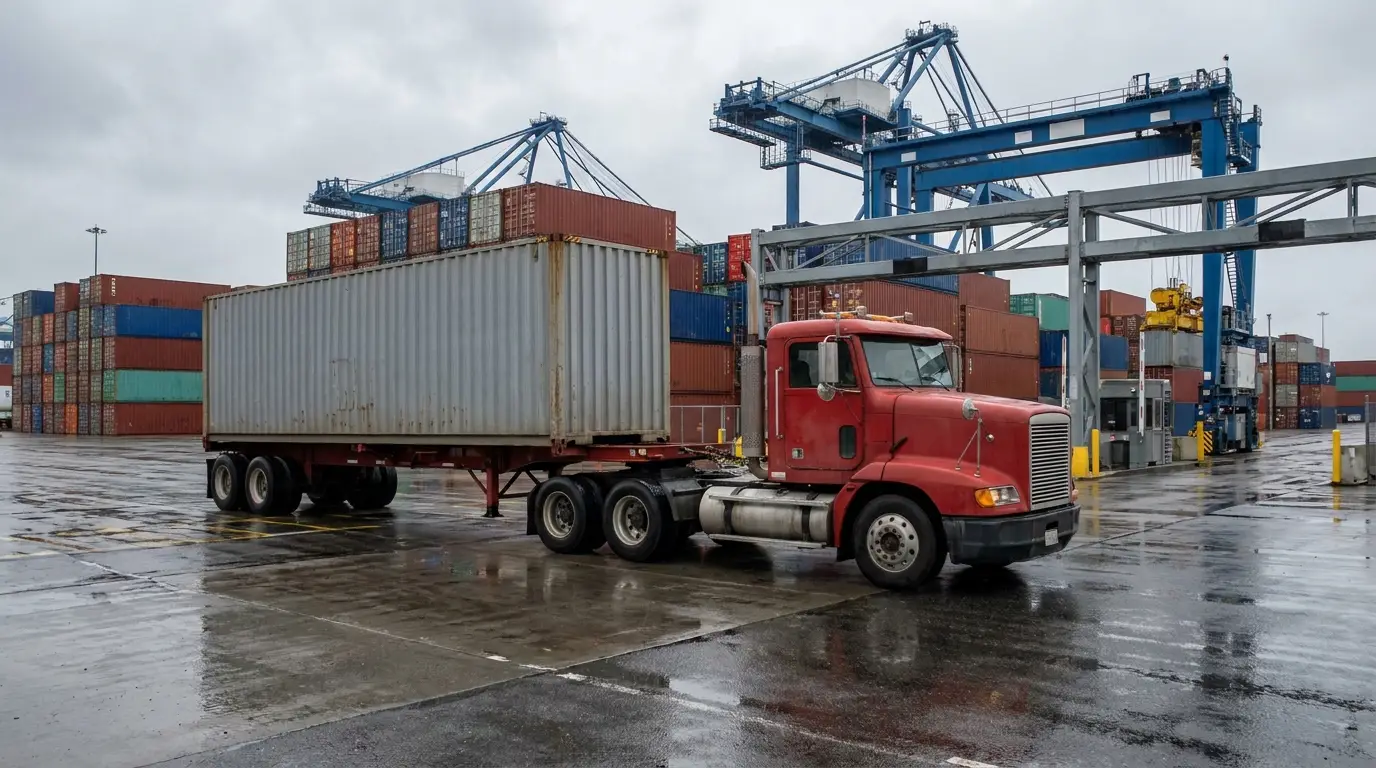
Why no truck policy pays it
A cargo form responds to physical loss of or damage to the freight. A physical damage form responds to damage to the equipment. A liability form responds to bodily injury and property damage you are legally liable for. A per diem charge is none of those. Nothing was damaged. The box sat somewhere past its free time and the owner is charging rent for the extra days, which is why carriers who assume their motor truck cargo coverage will pick it up find out otherwise at the worst possible moment.
Insurance does engage on a different event. If the container or the chassis is damaged or stolen while it is in your possession, you are into non-owned equipment territory and intermodal coverage matters a great deal. Damage and delay are two separate exposures and only one of them is insurable.
Who can bill you changed in September 2025
The Ocean Shipping Reform Act of 2022 pushed the Federal Maritime Commission to write billing rules, and it did. The Demurrage and Detention Billing Requirements final rule took effect May 28, 2024. One section, 46 CFR 541.4, said an invoice could go only to the party that contracted with the billing party for the ocean transportation or storage of the cargo, or to the consignee. As FreightWaves reported at the time, that left a drayage carrier who never signed anything with an ocean carrier effectively off the list.
That protection is gone. On September 23, 2025, the U.S. Court of Appeals for the D.C. Circuit set aside section 541.4 in World Shipping Council v. Federal Maritime Commission, No. 24-1088. The Commission's own notice on the decision states that apart from section 541.4, the rest of the rule remains in effect and is not impacted. So there is no longer a bright federal line saying a motor carrier cannot be invoiced. What the rule still gives you is process, not immunity.
The three thirty day clocks that survived
Every other piece of the rule stands, and the parts that stand are the ones you can actually use. Under 46 CFR 541.7(a), a billing party must issue a demurrage or detention invoice within thirty calendar days from the date the charge was last incurred, and if it misses that window the billed party is not required to pay the charge. Under 541.7(d), invoicing the wrong party first restarts nothing, because a corrected invoice still has to land inside that same thirty days. Under 46 CFR 541.8 the billing party must allow you at least thirty calendar days from the invoice issuance date to request mitigation, a refund, or a waiver, and once you ask it has thirty calendar days to attempt to resolve the request unless you both agree to a later date.
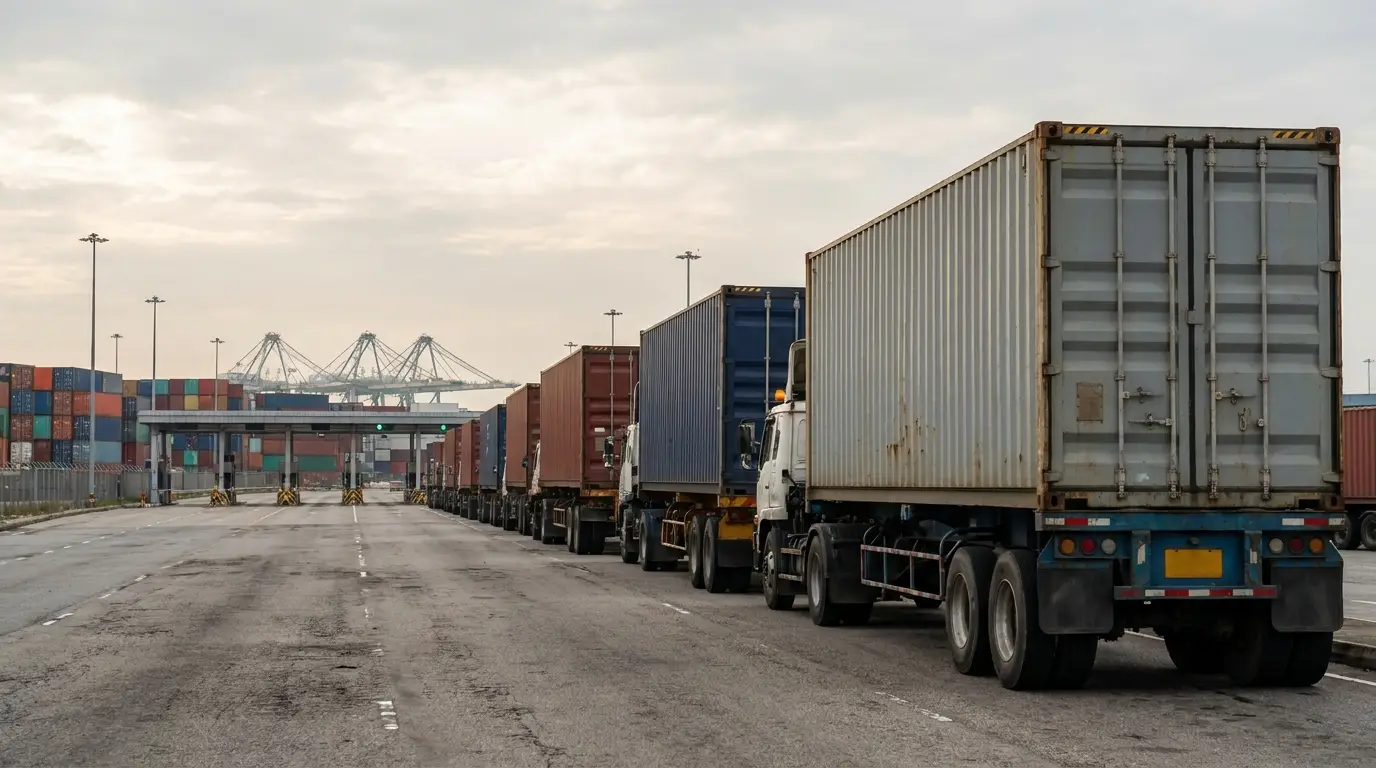
An incomplete invoice is not a payable invoice
This is the part most small carriers never read. Section 541.6 lists what has to appear on the invoice, including the bill of lading and container numbers, the port of discharge, the basis for liability, the allowed free time in days, the start and end dates of free time, the specific dates being charged, the applicable tariff rule or service contract, the rate, and a digital route such as a URL or QR code pointing to the dispute procedure. It also requires the billing party to certify that the charges comply with the rules and that its own performance did not cause or contribute to the charges being invoiced.
Then 46 CFR 541.5 supplies the teeth. Failure to include any of the required minimum information eliminates any obligation of the billed party to pay the applicable charge. Not reduces it. Eliminates it. So the first move on a per diem bill is not arguing about whether the terminal had an appointment open. It is reading the invoice against that list and writing down what is missing.
What actually protects a drayage carrier
Documentation and a calendar. Save your appointment attempts, gate timestamps, terminal closure notices, and empty return refusals, because that certification is exactly where a carrier who could not get an appointment has leverage. Watch the date the charge stopped accruing and count thirty days forward. Put the dispute in writing inside your own window instead of waiting for a collection call. And make sure the written agreement with whoever tenders you the work says who absorbs these charges, because the federal rule no longer decides that for you.
The insurance side of a port operation asks a different set of questions than this one does. For a second look at your limits, your non-owned equipment coverage, and how your terminal work is being rated, our drayage truck insurance page walks through it. Get a truck insurance quote in under a minute on our quote form, or call or text 423-264-4255.
Common questions
Will my cargo policy pay a per diem or demurrage bill
No. A motor truck cargo form covers physical loss of or damage to the freight you are hauling, and a per diem charge is rent for the extra days a container or chassis stayed in use. Nothing was damaged, so nothing triggers the policy. Damage to the container or the chassis itself is a separate question and that one does belong on the insurance side.
Can an ocean carrier still bill a drayage trucker for detention
There is no longer a federal rule saying it cannot. The D.C. Circuit set aside 46 CFR 541.4 on September 23, 2025, and that was the section limiting who could be invoiced. The Federal Maritime Commission has said the rest of the rule remains in effect, so the billing deadlines and the invoice content requirements still apply even though the limit on who may be billed does not.
How long does a billing party have to send the invoice
Thirty calendar days from the date the charge was last incurred, under 46 CFR 541.7. If the invoice arrives after that window, the billed party is not required to pay the charge. Invoicing the wrong party first does not extend the deadline, since a corrected invoice still has to land inside the same thirty days.
What should I check before paying a per diem invoice
Read it against the required contents in 46 CFR 541.6, including the container and bill of lading numbers, the free time start and end dates, the specific dates charged, the rate, the total due, and the billing party certification. Under 46 CFR 541.5 a missing required item eliminates the obligation to pay. If you want your port and ramp coverage reviewed while you are at it, get a truck insurance quote by calling or texting 423-264-4255.
Ready for a better rate?
We shop A-rated carriers against each other to find your lowest rate, fast. Under a minute to start, and no obligation.
Prefer to talk it through? Call or text (423) 264-4255 and a licensed agent will walk you through your options.