FMCSA Lets Fuel Haulers Run 16 Hour Days Through December
A 90 day hours of service waiver changed what you can legally run. It did not change what a jury can do with those hours.
The Federal Motor Carrier Safety Administration handed fuel haulers a longer clock this week, and most of the carriers it covers have not thought through what those extra hours do on the insurance side. Land Line and Overdrive both reported the move, which took effect at midnight on September 16, 2026 and runs through the end of December 16, 2026. For 90 days, drivers hauling gasoline and diesel can legally run a longer day than the hours of service rules normally allow.
What the waiver actually allows
Under the waiver, a covered driver can operate up to 16 hours inside a 24 hour window. The normal federal rule is 11 hours of driving inside a 14 hour on duty window, so this is a real expansion, not a paperwork tweak. The relief is not unconditional. A driver has to take a minimum of six consecutive hours in the sleeper berth in each 24 hour period, or a minimum of eight consecutive hours off duty if the truck has no sleeper berth. Drivers who feel fatigued are still required to find a safe place and stop.
Eligibility is narrower than the headlines suggest. FMCSA limited the waiver to drivers with a valid CDL carrying the endorsements the load requires, with no active out of service order, running for a carrier that holds a satisfactory safety rating rather than a conditional one. Drivers are expected to carry a paper or digital copy of the waiver for roadside enforcement. FMCSA tied the action to global supply disruptions and to expected late summer and fall demand, after diesel passed $6 a gallon nationally in the week ending September 14 with inventories sitting at record lows for the season.
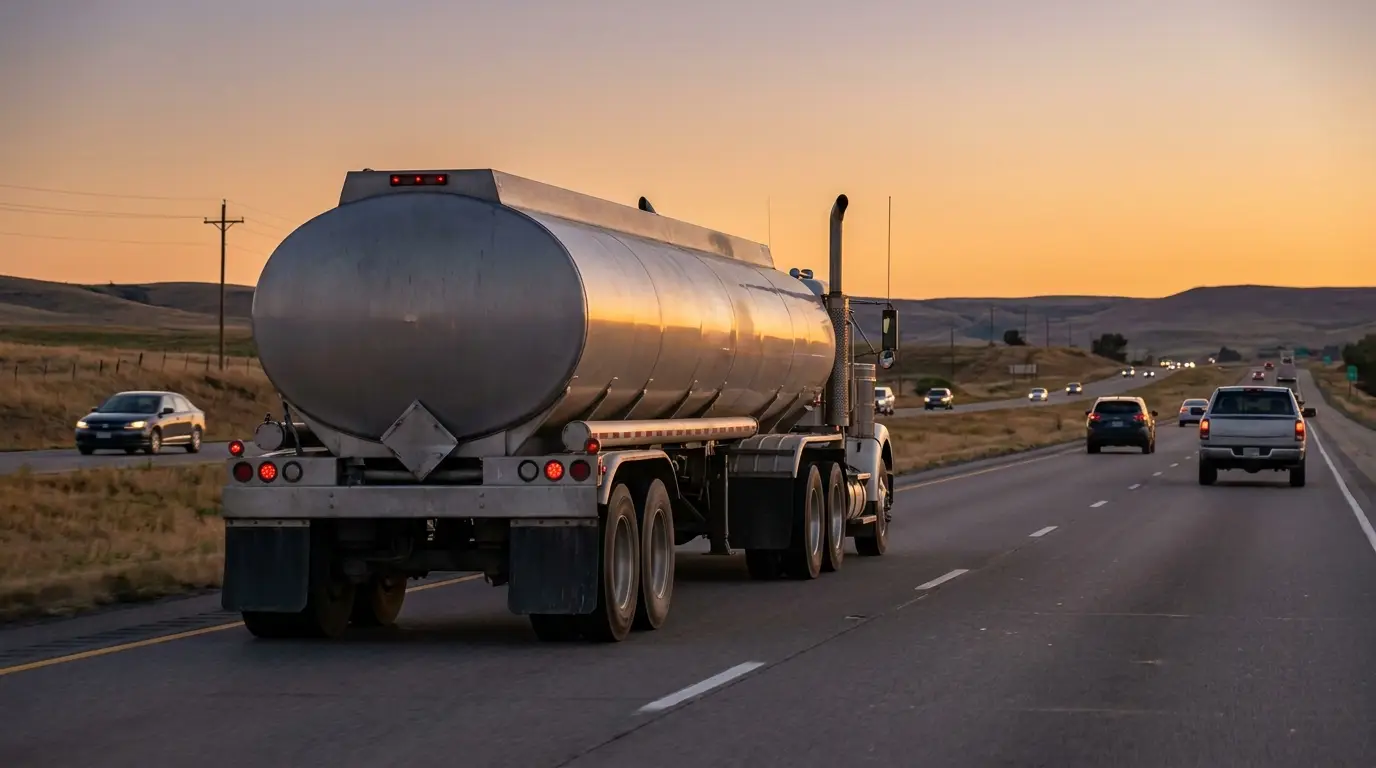
The waiver moved a regulation, not your liability
Here is the part that gets missed. A federal waiver changes what enforcement can cite you for. It does not change the negligence standard a plaintiff attorney argues in front of a jury, and it does not rewrite a word of your policy. If one of your trucks is in a serious wreck in hour 15 of a 16 hour day, opposing counsel is not going to concede the point because FMCSA said the hours were legal. They are going to put your dispatch records, your ELD data, and your fatigue management program in front of twelve people and argue that legal and reasonable are two different things.
That is a commercial auto liability problem before it is anything else, and fuel work already sits at the high end of the severity curve. A tanker rollover is not a fender bender. It is a fire risk, an environmental cleanup, a road closure, and a headline, all attached to the same loss.
Tell your underwriter before the loss, not after
Insurers price fuel hauling on exposure, and hours are exposure. Running longer days for three months changes miles, changes driver fatigue risk, and in many operations changes who is behind the wheel because the schedule finally stretches far enough to need a second seat. None of that is hidden. Your ELD records it, your fuel purchases show it, and your mileage shows up at renewal anyway.
Carriers that call their agent before they lean into the waiver get to talk about limits and radius. Carriers that call after a claim get to talk about whether the operation they insured is the operation they were running. If your radius, your driver count, or your projected miles are about to move, say so now.
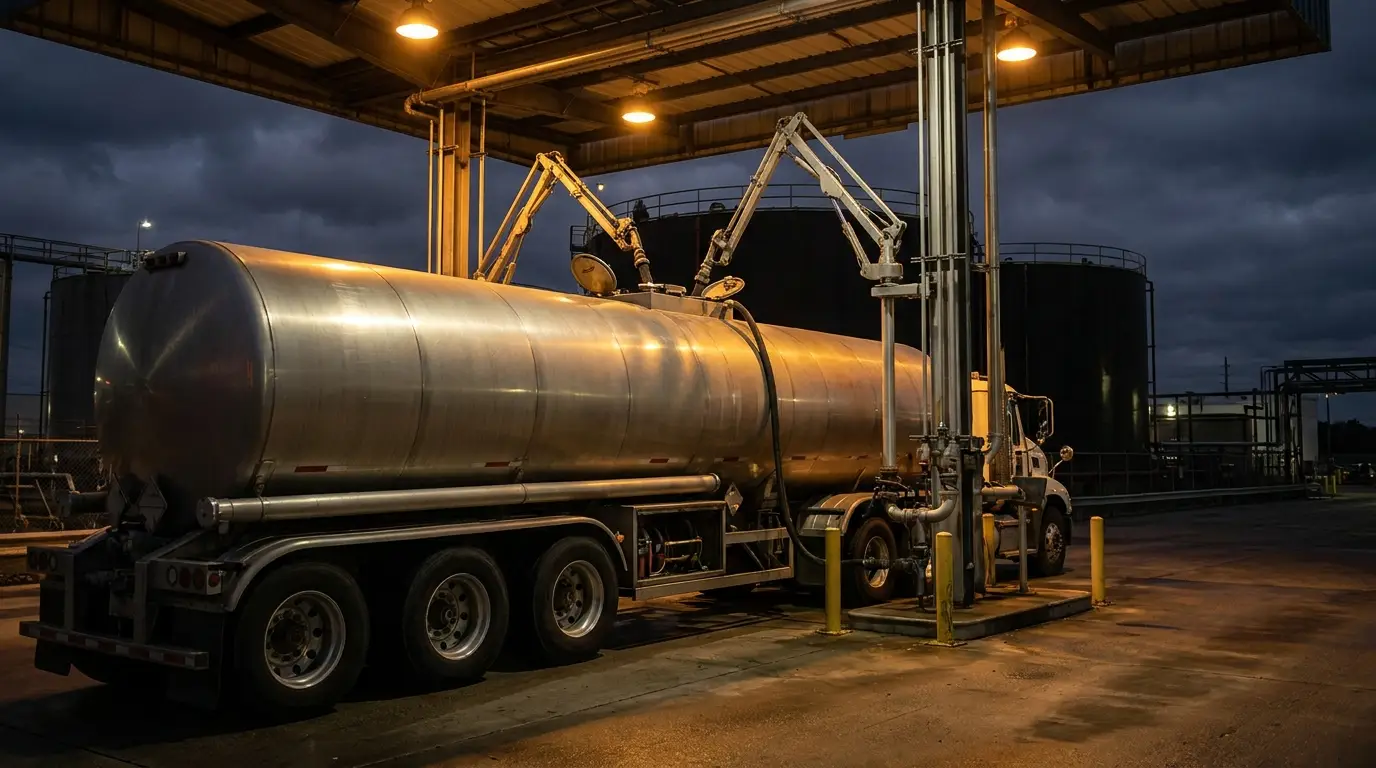
Fuel is cargo, and the tank is where the money is
The product in the barrel is motor truck cargo exposure, and at six dollar diesel a full load is worth materially more than it was a year ago. Check the cargo limit on your declarations page against what a full tank is actually worth today. Plenty of policies are still carrying a limit set when fuel was two dollars cheaper. The tractor and the tank themselves sit on physical damage, and the same inflation logic applies to stated values that have not been revisited.
Longer days also multiply the small stuff. More hours means more chances at a low speed yard hit, a curbed trailer, a jackknife on a wet ramp. Those are the claims that quietly move your loss ratio and show up as a rate increase long after the waiver expires.
What to do in the next week
Pull the waiver text and confirm your safety rating qualifies you. Confirm every driver you plan to run long is properly endorsed and clean of out of service orders. Put a written fatigue policy in the file even though the waiver does not require one, because it is the cheapest document you can hold when a plaintiff attorney asks what you did to manage the extra hours.
If any of that turns up a gap, get it fixed while the trucks are still upright. You can get a truck insurance quote in under a minute, and if you would rather talk it through with someone who writes fuel and tanker work, call or text 423-264-4255. If you want to see where your current numbers sit first, our breakdown of how much commercial truck insurance costs is a good place to start.
Common questions
Does the FMCSA fuel waiver change my truck insurance policy
No. The waiver only changes what the hours of service rules allow through December 16, 2026. Your policy language, your limits, and your radius representations stay exactly as written. If running longer days changes your miles, your radius, or your driver count, tell your agent so the policy matches the operation.
Can a plaintiff attorney still argue fatigue if I was inside the waiver
Yes. Legal under a federal waiver is not the same as reasonable in front of a jury. Expect dispatch records and ELD data to be pulled in any serious loss, and keep a written fatigue policy on file so you can show what you did to manage the extra hours.
Who qualifies for the hours of service waiver
Drivers hauling gasoline or diesel who hold a valid CDL with the endorsements the load requires, who have no active out of service order, and whose carrier holds a satisfactory rather than a conditional safety rating. Drivers are expected to carry a copy of the waiver for roadside enforcement.
Should I raise my cargo limit because diesel is over $6 a gallon
Check your declarations page against what a full load is worth today, because a lot of cargo limits were set when fuel cost far less. If yours is short, it is a quick fix. Call or text 423-264-4255 and we will price it, or get a truck insurance quote online in under a minute.
Ready for a better rate?
We shop A-rated carriers against each other to find your lowest rate, fast. Under a minute to start, and no obligation.
Prefer to talk it through? Call or text (423) 264-4255 and a licensed agent will walk you through your options.