The I-99 Switch Just Cost Northern Pennsylvania Haulers 15,000 Pounds
U.S. 15 became Interstate 99 on July 30 and the 95,000 pound divisible load permits went with it. Here is what that does to carriers running Lycoming and Tioga counties.
On July 30, 2026 a 62 mile stretch of U.S. Route 15 in northern Pennsylvania stopped being a U.S. highway and became Interstate 99. PennDOT ran the corridor from the I-180 interchange in Williamsport straight up through Lycoming and Tioga counties to the New York state line, the Federal Highway Administration signed off after confirming the road met interstate design and safety standards, and new signs came uncovered that morning. For most drivers the whole event was a new number on a green sign. For anyone hauling a divisible load at Pennsylvania permit weight, it was the day 15,000 pounds of legal capacity disappeared.
A Route Number Changed and the Weight Rule Changed With It
Before the switch, PennDOT could issue hauling permits for divisible loads of certain commodities up to 95,000 pounds on that section of U.S. 15. Once it carried an interstate designation, federal law took over and the ceiling dropped to 80,000 pounds for divisible loads unless the commodity has a federal exemption. Land Line reported that PennDOT's Automated Permit Routing and Analysis System now blocks new divisible overweight permits on the corridor outright, so this is not a discretionary call by a permit clerk. The software simply will not route you. Carriers shopping commercial truck insurance in Pennsylvania should understand this as a permanent structural change to how that lane operates, not a seasonal restriction that lifts in the spring.
PennDOT notified annual permit holders, elected officials, and the Pennsylvania Motor Truck Association in December 2025 and again in July 2026, so the notice was real. Notice does not always reach the driver who has run that road at 95,000 pounds for years and has no reason to think a sign change matters to him.
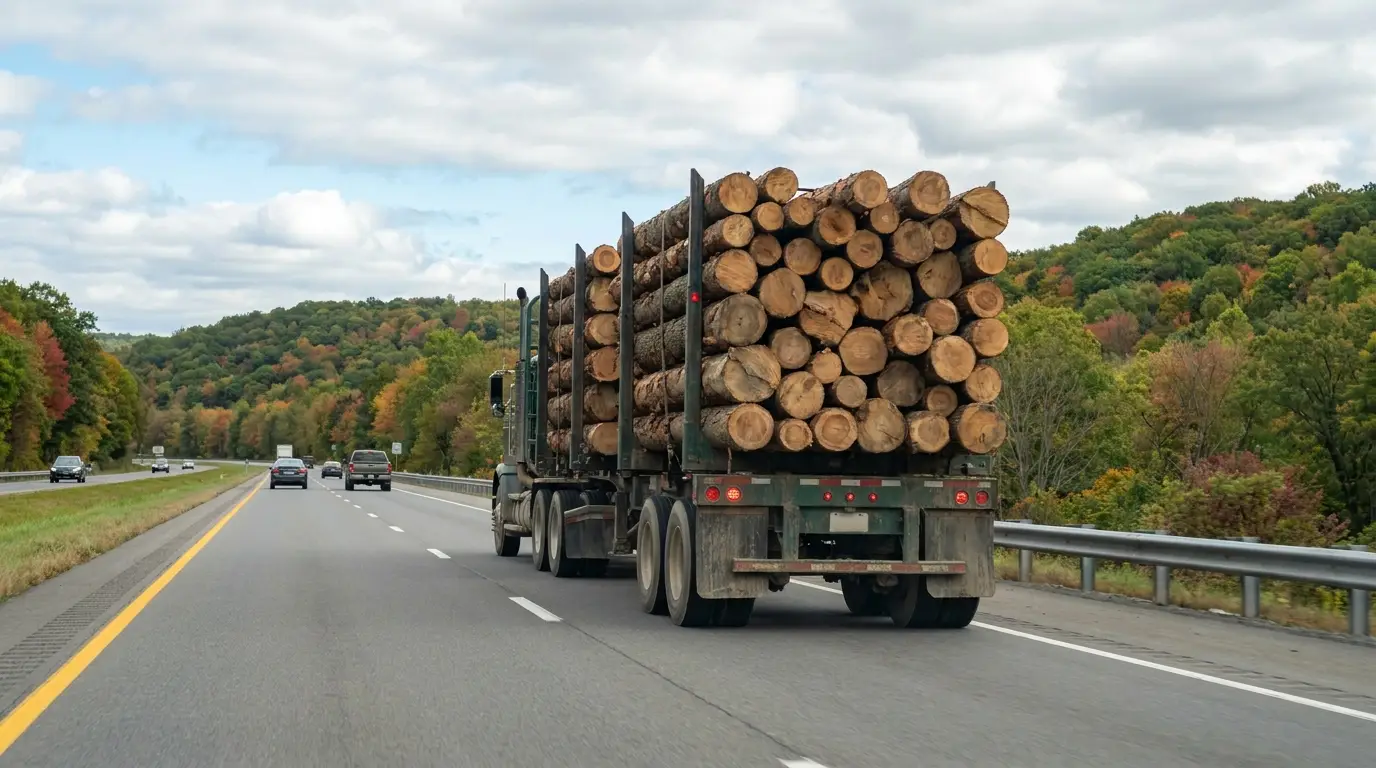
Fifteen Thousand Pounds of Legal Capacity Vanished
Milk is the visible exception. Federal law lets milk haulers run overweight on interstates, and PennDOT confirmed that allowance carries onto I-99. Non-divisible permits are also unaffected, so heavy equipment, structural steel, and anything else that physically cannot be broken down still moves on a permit the way it always did. Everything in the middle is where carriers get hurt. Raw log hauls and other divisible commodity moves that were permitted to 95,000 pounds with extra axles are now capped at the federal 80,000, which in practice means more trips for the same tonnage or a longer route on roads that are still state highways.
The Overweight Habit Is an Uninsured Habit
Here is the part that does not show up in any PennDOT release. A tractor running 15,000 pounds heavier than it should stops longer, heats its brakes harder on the grades north of Williamsport, and puts measurably more load through tires, springs, and drivelines. None of that generates a claim on the day it happens. It generates one later, as brake fade on a downgrade or a tire failure at highway speed, and when the adjuster pulls the scale tickets and the permit file the picture that emerges is a truck operating outside what it was permitted to carry. Your physical damage coverage pays for the tractor on a covered loss, but the investigation that follows a serious overweight crash is not a friendly one, and the deductible is the least of what is at stake.
What a Weight Citation Does to a Liability File
Pennsylvania fines overweight operation under Title 75 with a schedule that starts at $75 for up to 3,000 pounds over and adds $75 for every additional 500 pounds or fraction of it, doubled if you exceed the absolute statutory maximum rather than just your registered weight, plus a separate penalty for violating a permit condition. Those are annoying numbers. The real exposure sits one layer down. Pennsylvania applies modified comparative negligence under 42 Pa.C.S. section 7102, the 51 percent bar, which means fault is apportioned by percentage and a plaintiff recovers unless they carry more than half of it. A documented weight violation is exactly the fact a plaintiff attorney uses to move those percentages, and it moves them against your commercial auto liability limits, not against the fine schedule.
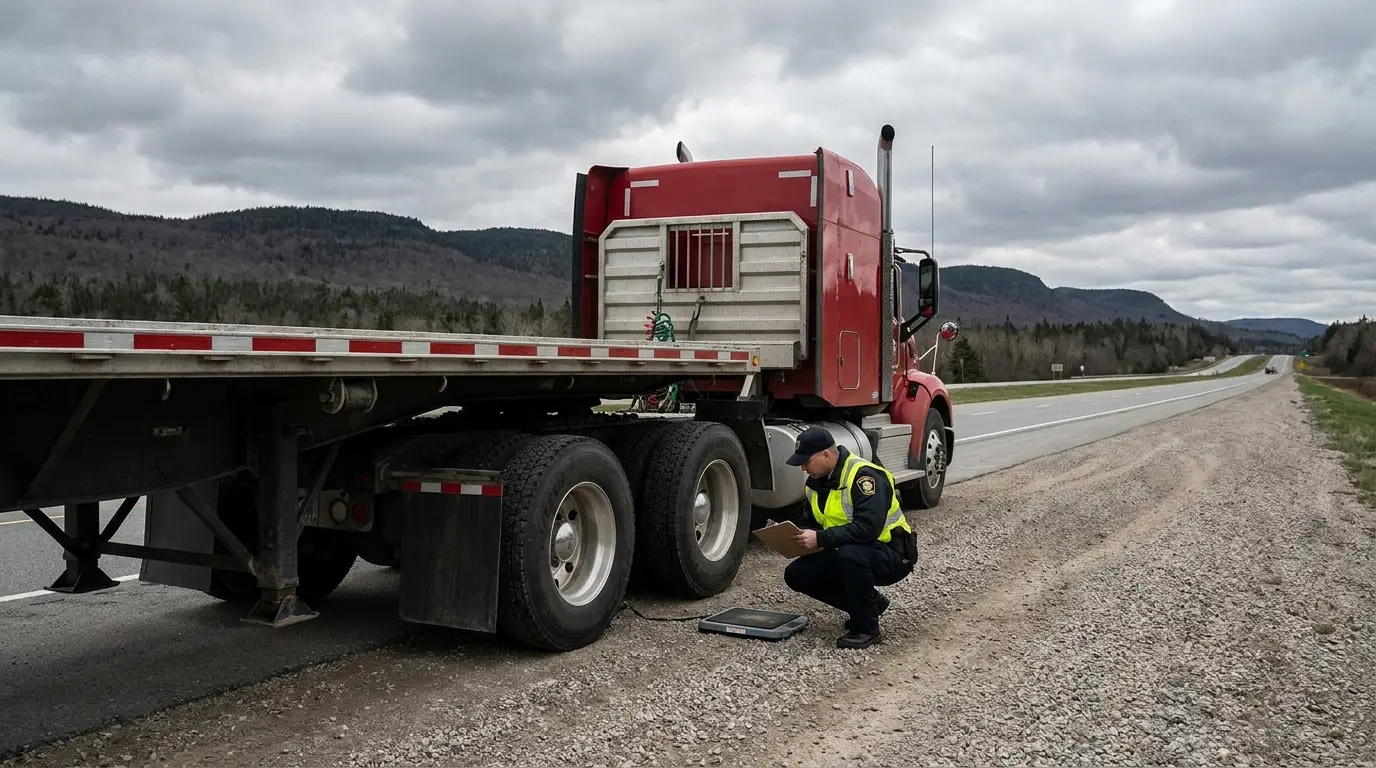
Log and Bulk Haulers Have the Most Replanning to Do
Lycoming and Tioga counties run on timber, agriculture, and energy service work, and a lot of that freight was built around a permit that no longer exists on the fastest road through the region. If your answer to the new cap is more loads rather than heavier ones, your exposure changed even though nothing about your trucks did. More trips means more miles and more loading cycles, and more chances for a load to shift or come up short at delivery, which is a motor truck cargo question long before it is a liability one. Tell your agent at renewal rather than after the first claim, because a mileage assumption that is quietly wrong is how a policy ends up mispriced.
Get a Truck Insurance Quote Before the Routing Change Catches You
If you run the Williamsport to Lawrenceville corridor, now is a sensible time to check whether your limits, your radius, and your stated mileage still match how the truck actually moves. We write owner operators and small fleets across the state without a pile of paperwork. Read our Pennsylvania truck insurance page for the state level detail, then get a truck insurance quote in under a minute or call or text 423-264-4255 and talk it through with a person.
Common questions
When did U.S. 15 become I-99 in Pennsylvania
July 30, 2026. PennDOT designated the 62 mile section between the I-180 interchange in Williamsport and the New York state line as Interstate 99, covering Lycoming and Tioga counties, after the Federal Highway Administration confirmed the corridor met interstate standards.
Can I still get a 95,000 pound divisible load permit on that road
No. Once the corridor became an interstate the federal 80,000 pound limit applies to divisible loads unless the commodity has a federal exemption. PennDOT's permit routing system blocks new divisible overweight permits for I-99. Non-divisible permits for loads that cannot be broken down are not affected.
Does milk still get an overweight allowance on I-99
Yes. Federal law allows milk haulers to operate overweight on interstate highways and PennDOT confirmed that allowance carries onto the newly designated I-99 corridor.
Does an overweight citation affect my truck insurance in Pennsylvania
It can, in two ways. It goes on the driver and carrier record that underwriters review, and in a serious crash it becomes evidence a plaintiff uses to shift fault percentages under Pennsylvania's 51 percent comparative negligence rule. If you want your coverage reviewed against how you actually run, call or text 423-264-4255 and get a truck insurance quote.
Ready for a better rate?
We shop A-rated carriers against each other to find your lowest rate, fast. Under a minute to start, and no obligation.
Prefer to talk it through? Call or text (423) 264-4255 and a licensed agent will walk you through your options.