South Carolina Just Redrew the Fifty Percent Line in Truck Crash Cases
Act 42 rewrote how South Carolina juries split fault on January 1, 2026. Here is what the fifty percent line does to a motor carrier and to the records that set it.
South Carolina changed the rules on who pays after a truck crash, and the change took effect January 1, 2026. Act 42, the tort reform and liquor liability law Governor Henry McMaster approved on May 12, 2025, rewrote Section 15-38-15 of the state code, the section deciding how a jury splits fault and how much of the bill each party carries. For anyone running Charleston, I-26 toward Columbia, or the I-95 coastal corridor, it is the biggest shift in liability exposure in years, and it has nothing to do with your limits or your premium. The limits side is covered on our page for commercial truck insurance in South Carolina. This is what happens after the crash.
What Act 42 Actually Changed
Before this year South Carolina ran a modified joint and several liability system. A defendant found to be a small slice at fault could still be handed the entire verdict once the other defendants settled early or turned out to have no money. Land Line covered the push through the statehouse in May 2025, and the argument supporters made was blunt, that trucking and logging companies were paying for someone else's wrongdoing because they were the party still standing with a policy.
The rewritten Section 15-38-15 says joint and several liability does not apply to any defendant whose conduct is determined to be less than fifty percent of the total fault. Below that line you pay your percentage and only your percentage. The act applies only to causes of action or claims arising or accruing after January 1, 2026, and to policies issued after that date. A wreck from last summer still runs under the old rule.
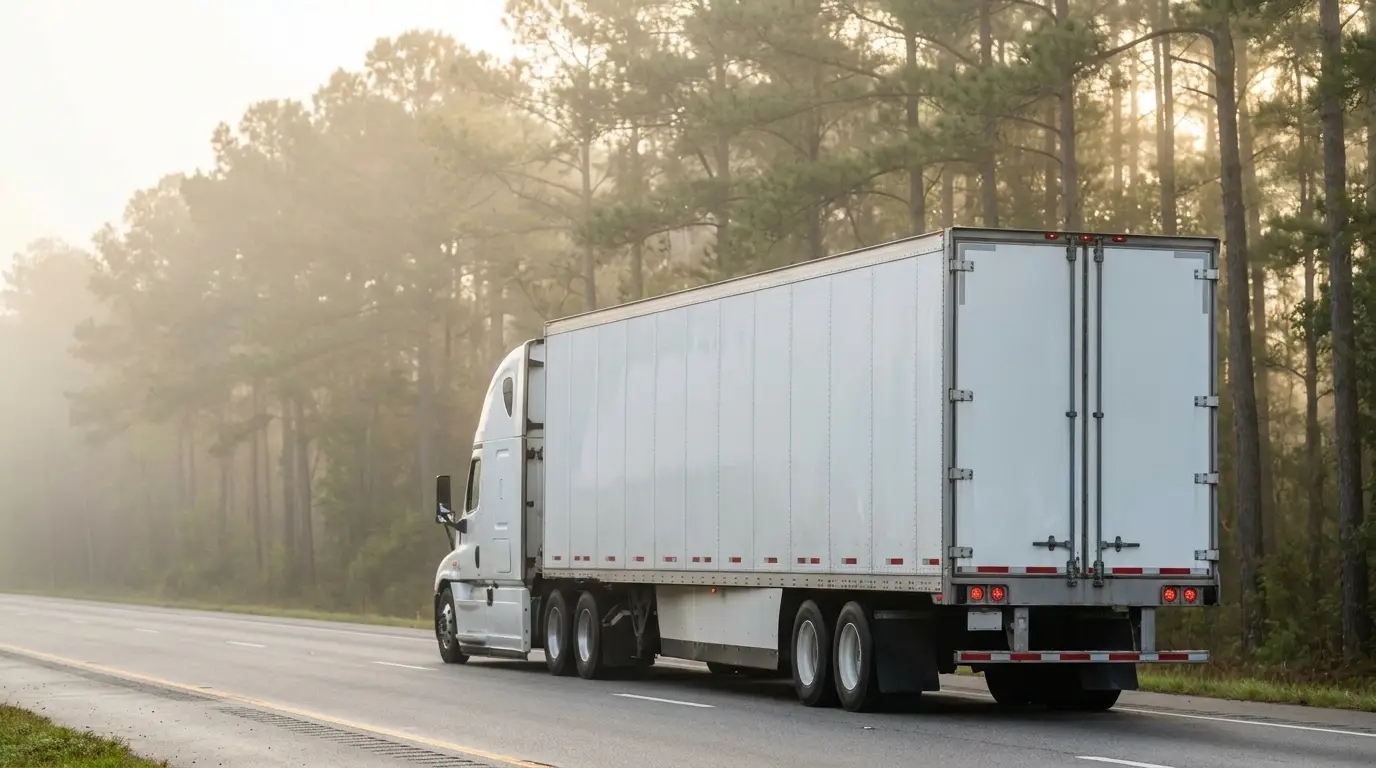
Fifty Percent Is a Cliff, Not a Slope
Here is the part worth writing on the office wall. The distance between forty nine percent and fifty percent is no longer one point of fault. At forty nine your exposure stops at your own share. At fifty, joint and several liability is back and a verdict can follow you for far more than you caused.
So the evidence that sets fault percentages is now the whole ballgame. Electronic logs, the dashcam file, maintenance records, the driver qualification file, the last handful of roadside inspections. Those documents used to nudge a settlement. Now they decide which side of the cliff you land on, and underwriters read the same file, which is a large part of what commercial truck insurance costs.
The Carve Out Every Carrier Should Read Twice
The protection is not automatic. The statute says those provisions do not apply to a defendant whose conduct is determined to be wilful, wanton, reckless, or intentional, or conduct involving the illegal or illicit use, sale, or possession of drugs. Read that as a motor carrier and the problem jumps off the page. Plaintiff firms in truck cases rarely plead simple negligence and stop. They plead negligent hiring, a unit dispatched with a known defect, schedule pressure that produced a falsified log. Those are recklessness theories, and a recklessness finding puts a defendant outside the shelter entirely.
The shelter is real, but it gets earned in advance, in the hiring file and the maintenance file, not in the courtroom. Your commercial auto liability coverage answers either way. The number it answers for does not.
Pointing at Somebody Else Now Runs on a Clock
Act 42 also gave defendants a real path to put an absent party on the verdict form, with conditions. A nondefendant tortfeasor has to be disclosed within one hundred eighty days of the commencement of the action, or later for good cause shown, and the defendant carries the burden of proving that the added tortfeasor's breach of duty was a proximate cause. Some categories cannot be added at all, including wilful, wanton, reckless or intentional conduct, strict liability, and asbestos claims.
One hundred eighty days sounds generous until you count backward. To name the shipper who loaded the trailer badly, the shop that signed off on the brakes, or the motorist who left the scene, somebody had to preserve that proof while it existed. A motor truck cargo claim file and a liability defense file want the same paperwork, load photos, the bill of lading, the seal record, the repair invoice.
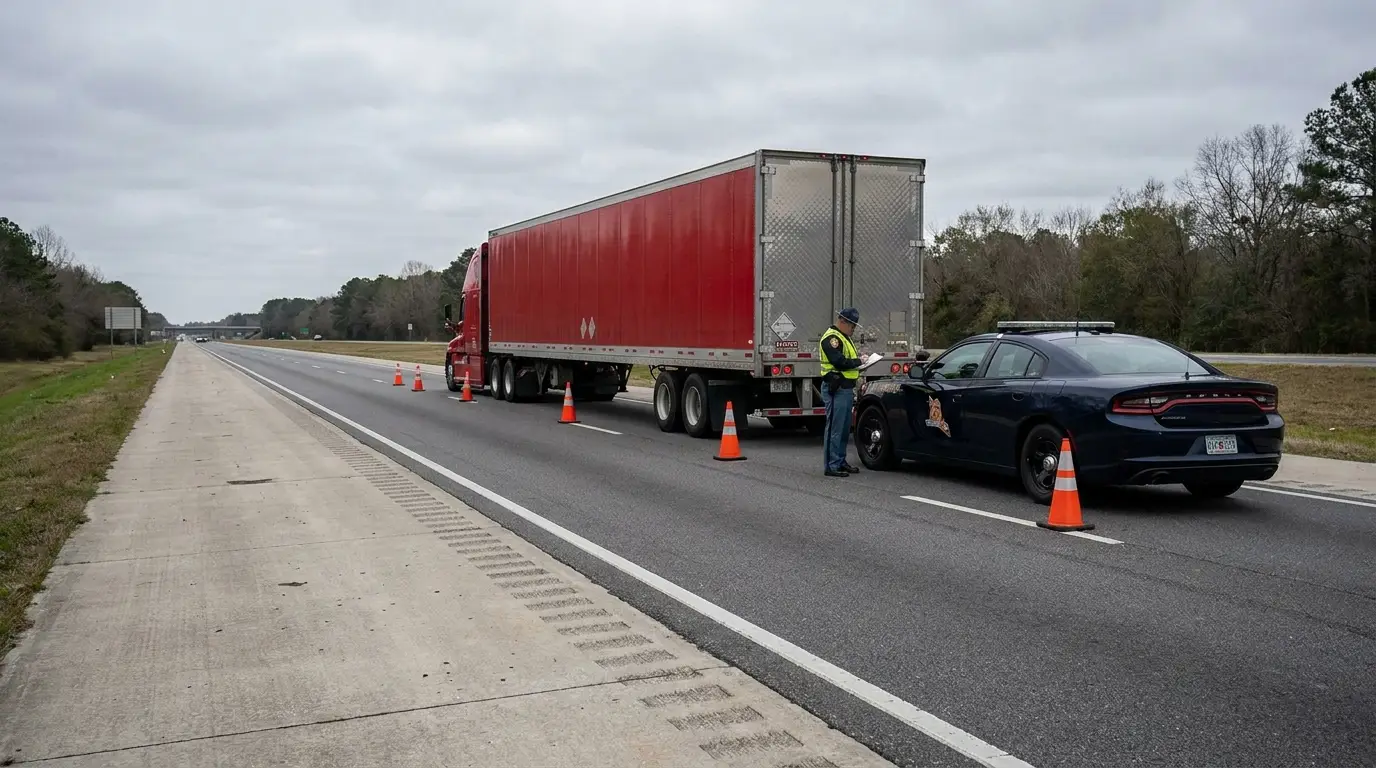
What This Looks Like on South Carolina Pavement
The cases this rule governs are multi defendant cases, and South Carolina produces plenty of them. I-26 carries container freight off the Port of Charleston through Columbia into the Spartanburg manufacturing corridor, I-85 stacks regional and long haul traffic across the upstate, and I-95 mixes trucks with vacation traffic all summer. Low country fog pileups, chain reaction wrecks in work zone backups, a drayage load that shifts leaving an inland port. Each one puts three or four parties on a verdict form.
South Carolina also bars a plaintiff who is more than fifty percent at fault from recovering anything, the rule the state Supreme Court adopted in Nelson v. Concrete Supply Company in 1991. Fifty percent now decides a South Carolina truck case in both directions.
Get Ahead of It Before Your Renewal
Act 42 does not change the limits you are required to carry. It changes how much one crash can cost you when the paperwork behind your operation does not hold up, and that is worth sorting out before a renewal rather than after a claim. Get a truck insurance quote in under a minute, read our South Carolina truck insurance page, or call or text 423-264-4255. Start your quote here.
Common questions
When did the new South Carolina fault rule take effect
January 1, 2026. Act 42 applies only to causes of action or claims arising or accruing after that date, and to policies issued after that date, so a crash that happened in 2025 is still judged under the older joint and several liability rule.
Does the fifty percent rule protect my trucking company in every case
No. The statute carves out conduct found to be wilful, wanton, reckless, or intentional, along with conduct involving the illegal or illicit use, sale, or possession of drugs. Plaintiff firms plead recklessness in truck cases as a matter of routine, so your hiring file and your maintenance file are what keep you inside the protection.
How long do I have to name another party who was at fault
One hundred eighty days from the commencement of the action, or later for good cause shown, and you carry the burden of proving that party's breach of duty was a proximate cause. That is why load photos, repair invoices, dashcam video and driver records need to be preserved immediately, not months later.
Does this change the coverage I need to run in South Carolina
The required limits did not change, but the size of a single loss can. It is worth a look at where your liability limits actually sit before your next renewal. Call or text 423-264-4255 and we will walk through it, or get a truck insurance quote in under a minute.
Ready for a better rate?
We shop A-rated carriers against each other to find your lowest rate, fast. Under a minute to start, and no obligation.
Prefer to talk it through? Call or text (423) 264-4255 and a licensed agent will walk you through your options.