Physical Damage Pays For The Truck, Not The Weeks It Sits
A repair estimate measures the metal. It does not measure the payments, the premium, and the freight that keep running while your truck sits in a shop bay waiting on a part.
The repair estimate is not the whole loss
Physical damage coverage answers one narrow question. What will it cost to fix or replace this truck. You want that answer insured, which is why physical damage coverage belongs on any unit carrying a note. But there is a second question nobody puts a number on until it is too late. What does it cost you to not have the truck.
That second number is the downtime gap. On a one to five unit operation it is routinely larger than the repair bill, because a big fleet can shuffle the load onto another tractor and you cannot.
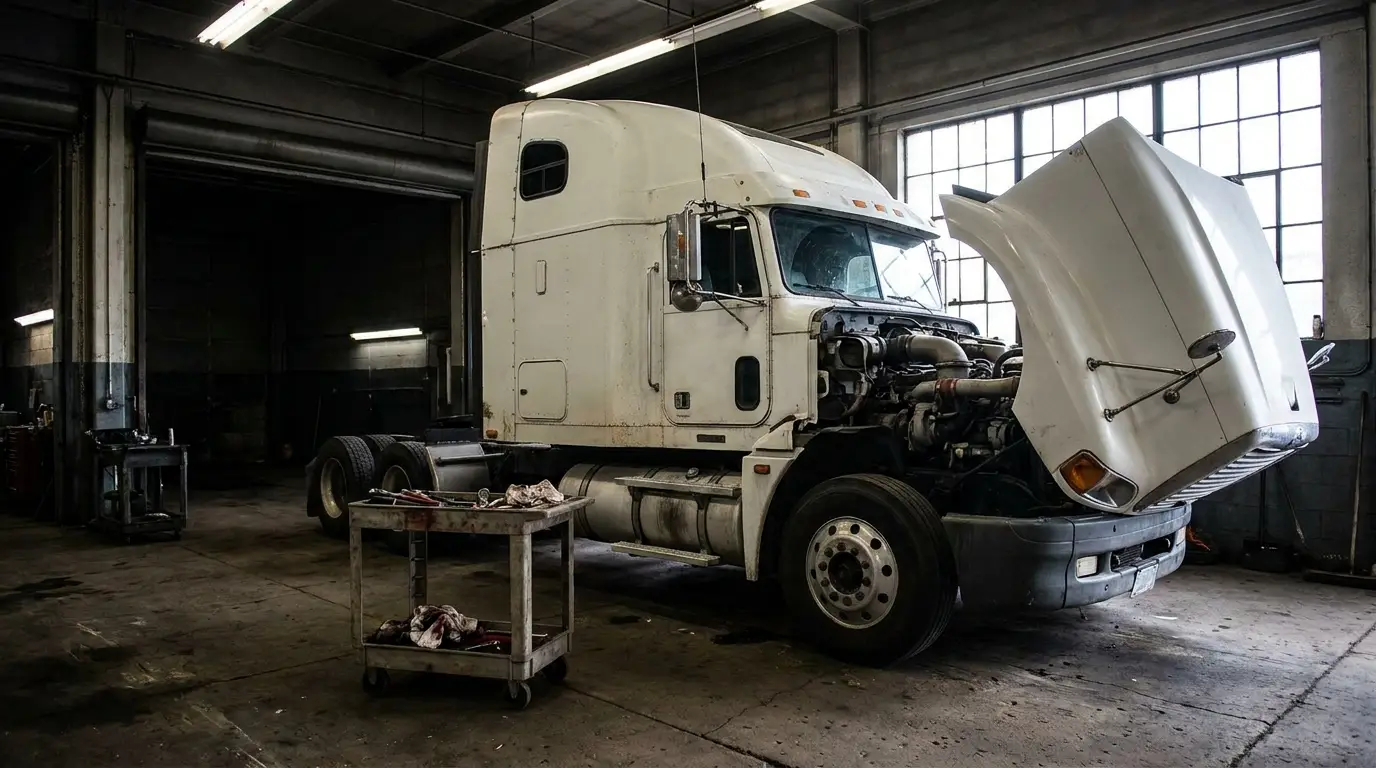
The costs that do not pause
The American Transportation Research Institute put real figures on this in its 2026 Analysis of the Operational Costs of Trucking, released in July. The industry average cost to run a truck in 2025 was 2.336 dollars per mile, the highest in the report's history, and 1.854 dollars per mile once you strip out fuel.
Look at what sits inside that number. Truck procurement ran 28 cents a mile, trailer procurement another 12 cents, insurance premiums 11 cents, and permits and licenses just under a cent. None of those four are burned by driving. They are burned by the calendar, and they keep burning while the truck is on jack stands. ATRI measured them across an average of 85,991 miles per truck, so roughly 52 cents of every mile in the study is cost that does not care whether the wheels turn.
Fuel and tires stop. Your payment does not. And there is no cushion underneath it. ATRI put truckload and refrigerated operating margins below 1.0 percent and flatbed at negative 0.5 percent.
Two ways a truck gets parked
The first is a crash, and that is the one everybody plans for. The second is an inspector, and it happens far more often. Under 49 CFR 396.9(c)(1) authorized personnel declare and mark out of service any vehicle whose mechanical condition or loading would likely cause an accident or a breakdown. Once that sticker is on, 396.9(c)(2) says no carrier may require or permit anyone to operate it, and no person may operate it, until all repairs required by the out of service notice have been satisfactorily completed. Operate includes towing, except by a vehicle using a crane or hoist.
There is a clock on the paperwork too. Under 396.9(d)(3) the corrections have to be certified within 15 days following the date of the inspection, with a copy kept at the principal place of business for 12 months. And you do not get to run it home first. 49 CFR 396.7(a) forbids operating a vehicle in a condition likely to cause an accident or breakdown, and 396.7(b) lets a unit found unsafe on the highway continue only to the nearest place where repairs can safely be made.
Neither event sends you a bill for the days. That is the point. The tow, the shop queue, and the part on backorder are yours, and the meter on the payments is already running.
Who actually pays for the days
Start with your own policy, because most owner operators assume it covers more than it does. A standard physical damage form is written to repair or replace the vehicle, not to replace the income that vehicle would have earned. Loss of use sits outside that grant. What fills it is a separate endorsement, and the name changes by carrier, so ask for it by function. Rental reimbursement, downtime, and loss of use all point at the same gap. Then ask what the daily amount is, what the maximum number of days is, and whether it starts at the tow or at the estimate.
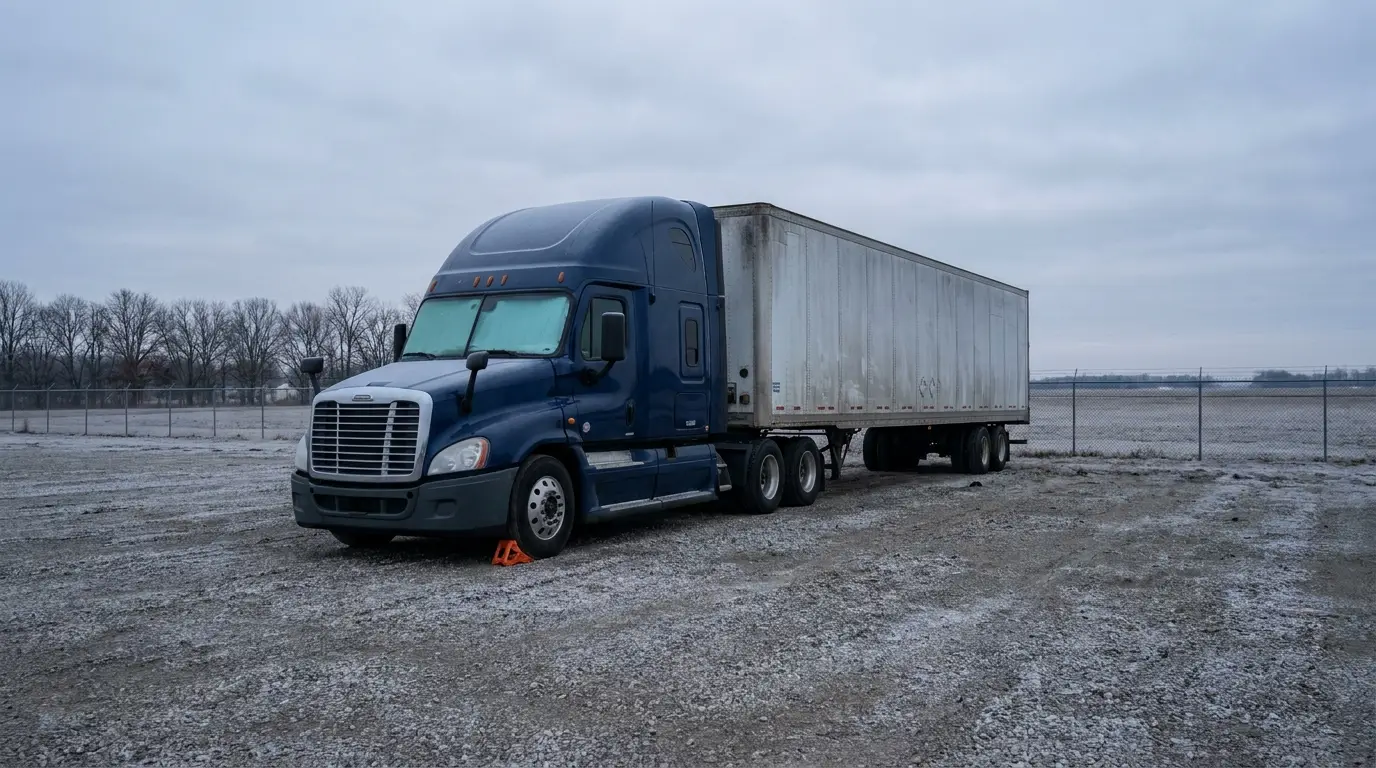
When somebody else caused it, downtime becomes a damages claim against that party rather than a coverage question, and you carry the burden of proof. Trucking Info makes the practical point that mitigation is what gets tested. You are expected to show you tried to limit the loss, which means written rental inquiries and the rejections that came back, plus real records of the income the unit was earning. The same article notes the fix when the other driver cannot pay, which is uninsured and underinsured motorist property damage on your own policy. Your commercial auto liability answers for the harm you cause, not for the harm done to you.
What to have ready before you need it
Pull it together now, because you will not assemble it well from the shoulder of a highway. Keep 90 days of settlement statements and rate confirmations so revenue per day is provable. Photograph the unit from all four corners. Put rental inquiries in writing and save the answers. Get the repair order with the parts backorder dates on it, because that is what turns two weeks of waiting into a documented number instead of a complaint.
Then price the endorsement. It usually costs less than one day of sitting. Our breakdown of what commercial truck insurance costs shows what each piece buys, and physical damage coverage is where the downtime endorsement attaches. Call or text 423-264-4255 and we will read your form and tell you plainly whether the days are covered. You can also get a truck insurance quote in under a minute.
Common questions
Does physical damage insurance pay me while my truck is in the shop
Generally no. A standard physical damage form pays to repair or replace the vehicle, not to replace lost income. Downtime is covered by a separate endorsement that carriers call rental reimbursement, downtime, or loss of use. Call or text 423-264-4255 and we will check whether yours has one and what the daily limit is.
How much does an idle truck actually cost per day
Start with the costs that do not stop. ATRI's 2026 Analysis of the Operational Costs of Trucking put truck procurement at 28 cents a mile, trailer procurement at 12 cents, and insurance premiums at 11 cents, measured across an average of 85,991 miles per truck for the year. Those keep accruing on a parked unit, and lost revenue sits on top of them.
Can I drive an out of service truck to my own shop
No. Under 49 CFR 396.9(c)(2) nobody may operate a vehicle marked out of service until all repairs required by the notice are satisfactorily completed, and operate includes towing except by a vehicle using a crane or hoist. Corrections must be certified within 15 days of the inspection under 396.9(d)(3).
Who pays for downtime when the other driver caused the wreck
You claim it as damages against the at fault party, and you have to prove it with documented mitigation and real income records. If that driver carries too little, uninsured and underinsured motorist property damage on your own policy is what closes the gap. Get a truck insurance quote or call 423-264-4255 and we will show you both options side by side.
Ready for a better rate?
We shop A-rated carriers against each other to find your lowest rate, fast. Under a minute to start, and no obligation.
Prefer to talk it through? Call or text (423) 264-4255 and a licensed agent will walk you through your options.