Setting Truck Insurance Deductibles on a One to Five Truck Fleet
A hundred truck fleet raising its deductible is spreading a known frequency across a hundred chances. You have five, and that changes the whole calculation.
A deductible is a financing decision, not a coverage decision
Raising a deductible does not change what is covered. It changes who writes the first check. You are agreeing to fund the small and medium losses yourself in exchange for a lower premium, and the insurer keeps the ones that could end the business.
On a fleet of one to five trucks that trade is sharper than it looks, because you do not have enough units for averages to work in your favor. So the question is never which deductible is cheapest. It is how many claims you can absorb in a bad twelve months before the savings turn into a cash problem.
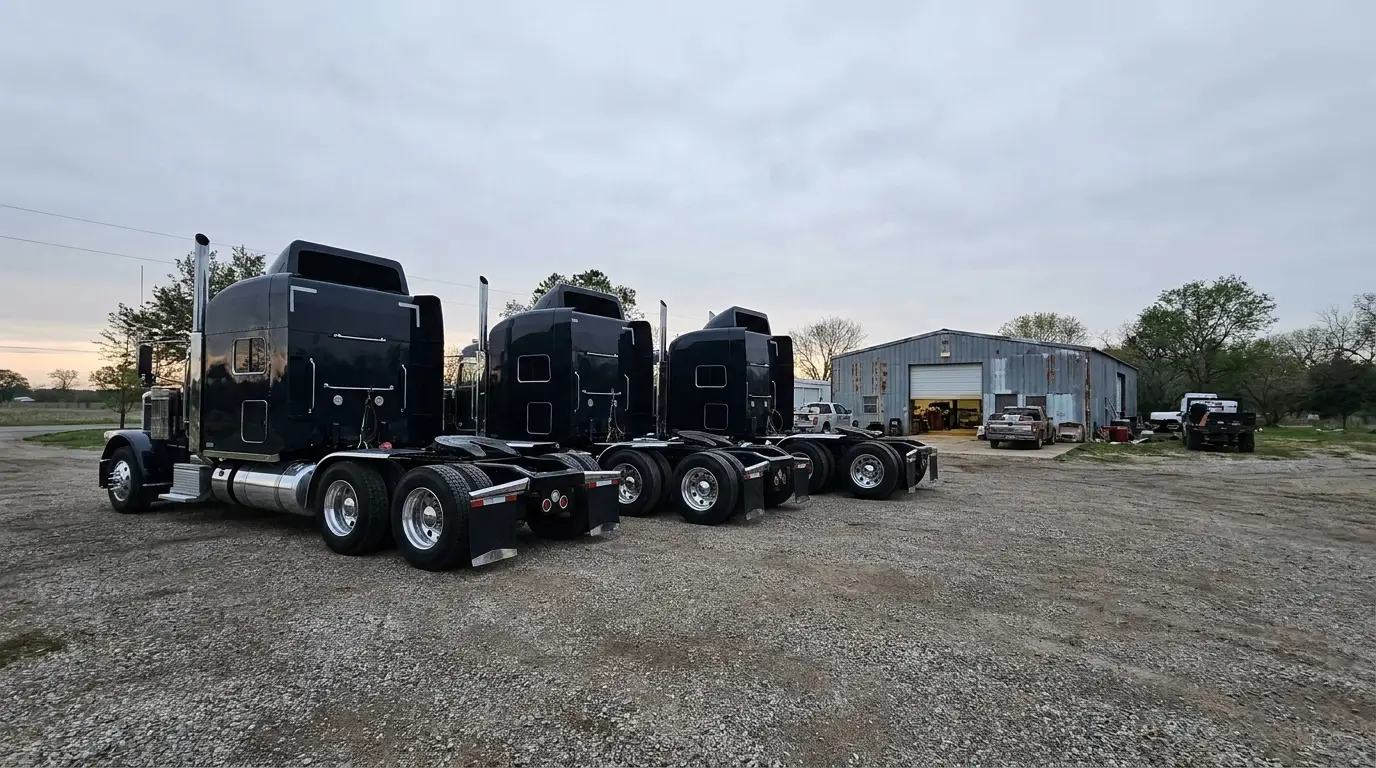
Where the deductible applies and where it does not
On a typical small fleet policy the deductible sits on physical damage and on motor truck cargo. Liability usually does not carry one at this size, and the federal rules are part of the reason. Under 49 CFR 387.9 an interstate for hire carrier operating a vehicle rated at 10,001 pounds or more has to maintain at least $750,000 of financial responsibility for general freight, $1,000,000 for oil and the hazardous materials listed in 49 CFR 172.101, and $5,000,000 for hazardous substances hauled in bulk.
The MCS-90 endorsement that proves it makes the point bluntly. No condition, provision, stipulation or limitation contained in the policy relieves the insurer from paying a judgment the endorsement covers, and the insured then agrees to reimburse the insurer for any payment it would not otherwise have been obligated to make. The public gets paid either way, and whether that money ends up coming out of your account is settled afterward between you and your carrier. A liability deductible never lowers what has to be paid. It only decides who fronts it.
Cargo is the deductible people meet at claim time
Cargo runs on different rules and it catches people out. FMCSA eliminated the cargo insurance filing requirement for most for hire carriers and freight forwarders effective March 21, 2011, so no federal minimum stands behind your cargo limit anymore. Household goods carriers are the exception under 49 CFR 387.303, which sets $5,000 for loss or damage on any one motor vehicle and $10,000 at any one time and place. Everyone else sets cargo by contract, so your broker agreements and your policy decide the number, not the government.
That matters because cargo deductibles commonly apply per occurrence, and one occurrence can involve more than one load. Refrigerated breakdown coverage frequently carries its own deductible, separate from and higher than the rest of the cargo form. Find out where it attaches before you agree to the limit, not after a load spoils.
The math that actually decides it
Run it as a number instead of a feeling. Take the annual premium credit your agent quotes for moving up one deductible tier and divide it by the increase in the deductible. That gives you the number of claims per year at which the higher deductible starts costing you money rather than saving it.
Then open your own loss runs for the last three to five years and count how often you actually filed. Two glass claims and one jackknife across four years is a real frequency, not a hypothetical. If the break even lands near one claim a year and your history says you file one every eighteen months, the higher deductible is a defensible bet. Below that, you are betting against your own record.
The second test is cash. Keep twice the deductible sitting in reserve and untouched, in cash rather than on a credit line. Losses cluster more than people expect, and the truck clipped in a yard in March is often the same one sliding off a ramp in November.
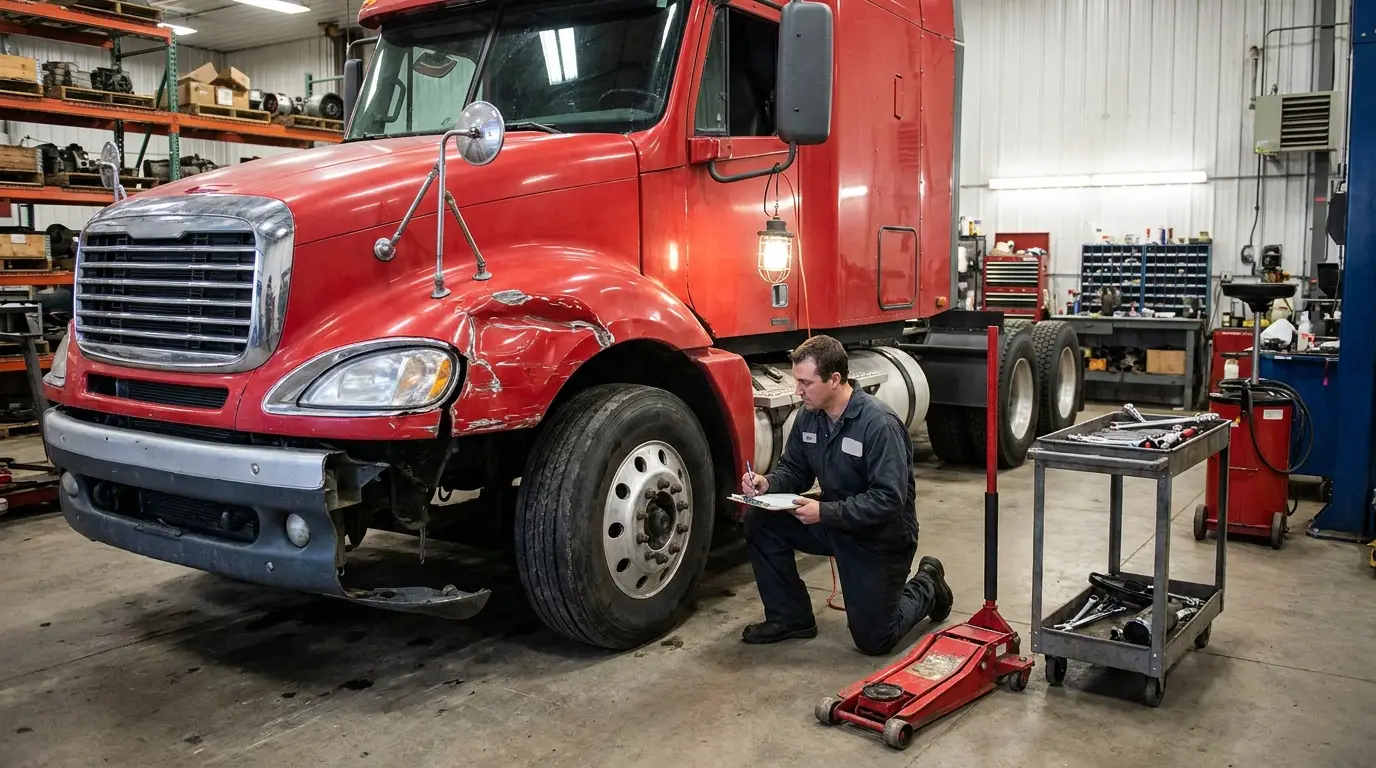
What a higher deductible does not buy back
Downtime. A deductible changes the repair bill and nothing else, so it does nothing about the weeks a unit sits waiting on a part while the truck payment, the plates, and the premium keep running. On a small fleet that lost revenue often exceeds the deductible itself, which is an argument for downtime or rental reimbursement wording rather than for shaving the deductible.
It also does not keep the claim off your record. Whatever you pay first, the loss lands on your loss runs and the next underwriter reads it there. The only claim that never costs you at renewal is the one you handled and never turned in, which is the quiet second reason a higher deductible can improve a renewal beyond the credit printed on the quote.
How to set it before your renewal date
Ask for the same submission quoted at two or three deductible levels, so you are reading a real credit rather than guessing. Treat physical damage and cargo separately, since one protects an asset you own and the other protects freight belonging to somebody who will file against you. And revisit the number whenever the fleet changes size, because the right answer at one truck is usually the wrong answer at five. Deductibles are a large part of why what commercial truck insurance costs swings so far between two operations that look identical on paper, and so is the commercial auto liability limit sitting above them.
We quote owner operators and small fleets every day and we will show you the options side by side instead of picking one for you. Call or text 423-264-4255 or get a truck insurance quote in under a minute, and we will price your fleet at more than one deductible so you can see what the trade is actually worth.
Common questions
Does a higher deductible really lower my truck insurance premium?
Yes, though the credit shrinks as you climb. Moving from a low deductible to a middle one usually produces the biggest single reduction, and each step above that returns less while adding real exposure. The way to know is to have the same submission quoted at two or three levels and compare the credits directly. Call or text 423-264-4255 and we will get a truck insurance quote run at multiple deductibles so the trade is visible.
Do I have a deductible on my commercial auto liability coverage?
On most small fleet policies, no. Liability at this size is typically written without one, partly because federal financial responsibility rules require an interstate for hire carrier to maintain at least $750,000 under 49 CFR 387.9 for general freight, and the MCS-90 endorsement obligates the insurer to pay a covered judgment regardless of policy conditions. Larger fleets sometimes take a liability deductible or a self insured retention, but it is unusual under five trucks.
Is the cargo deductible separate from the physical damage deductible?
Yes. They are different coverages with different deductibles, and a single accident can trigger both. Cargo deductibles usually apply per occurrence, and refrigerated breakdown often carries its own higher deductible written separately into the cargo form. Read where each one attaches before you sign, because that language decides what you pay on a spoiled load.
How much cash should I keep on hand for deductibles?
A workable rule is twice your highest single deductible, held in cash rather than on a credit line, because claims tend to arrive in clusters rather than evenly spaced. If holding that amount is not realistic right now, that is a straightforward signal that your deductible is set too high for the size of the operation.
Ready for a better rate?
We shop A-rated carriers against each other to find your lowest rate, fast. Under a minute to start, and no obligation.
Prefer to talk it through? Call or text (423) 264-4255 and a licensed agent will walk you through your options.