The Cargo Liability a Broker Contract Can Hand You
Federal law sets your default cargo liability, a signature can trade it away, and the policy answers only to its own form
Carmack is your default, not your ceiling
A cargo claim rarely turns on the exclusions page. It turns on a document you signed weeks earlier, usually in a hurry, so you could get loaded.
Federal law gives you a starting point. Under 49 U.S.C. 14706(a)(1) the carrier is liable to the person entitled to recover under the receipt or bill of lading, and that liability is for the actual loss or injury to the property. The same statute sets floors on the clock. Section 14706(e) bars a carrier from providing a period of less than 9 months for filing a claim or less than 2 years for bringing a civil action. Those are the defaults every interstate load moves under, and they are the defaults a motor truck cargo policy is priced against.
What a signature can waive
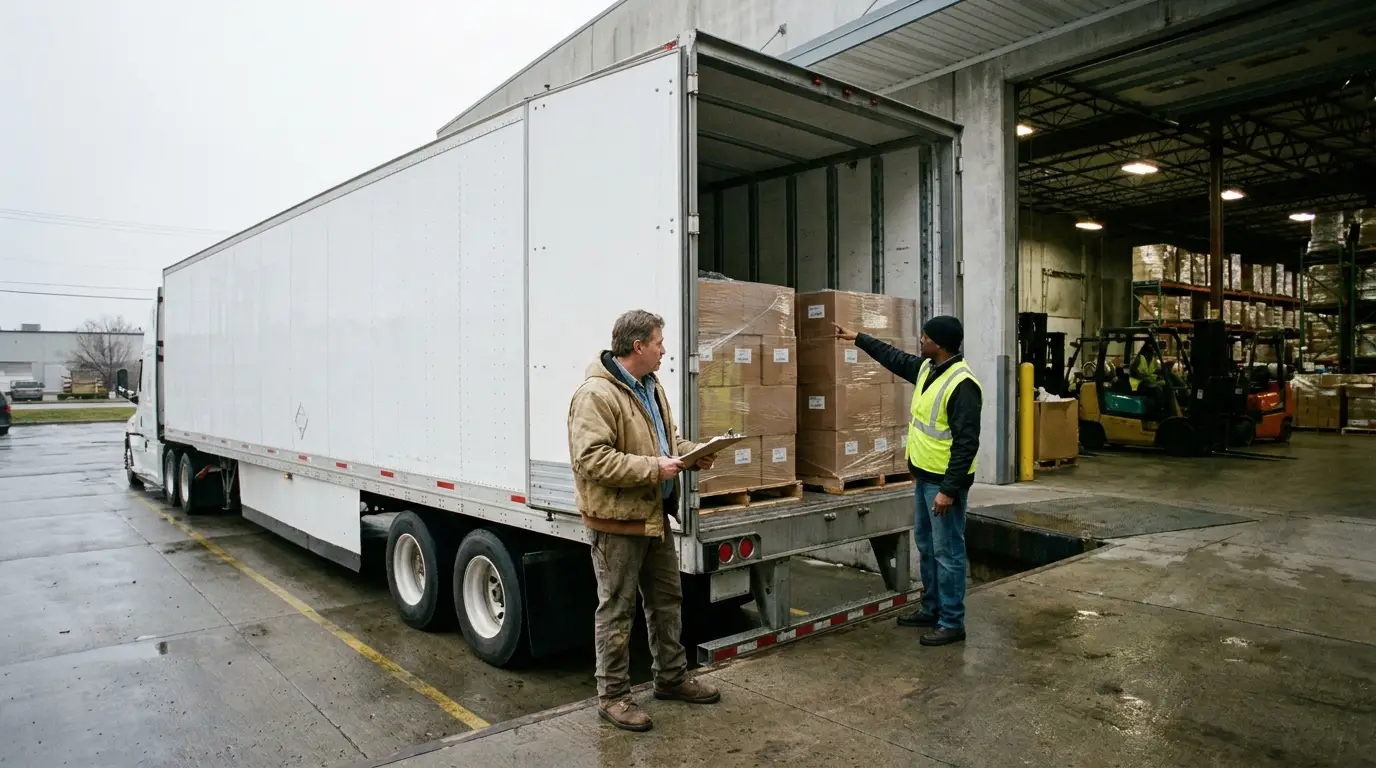
Here is the part that catches small carriers. Section 14101(b)(1) of the same title lets a shipper and a carrier expressly waive, in writing, any or all rights and remedies under that part of the law. Once they do, the transportation is not subject to those rights and remedies and cannot be challenged later on that ground. The statute shields only three things from the pen. The parties may not waive the provisions governing registration, insurance, or safety fitness.
Everything else in that baseline is negotiable, which is why broker and shipper agreements ask for full invoice value with no limitation, consequential damages, shortened claim windows and broad indemnity. Trucking Dive reported in May 2026, after the Supreme Court decision on broker liability, that indemnification language in freight contracts is expected to increase.
Where the policy stops and the contract keeps going
A cargo policy is not a promise to pay whatever you agreed to pay. It covers your liability for freight in your care, up to the limit you bought, on the terms of the form. Typical forms answer to your liability as a motor carrier for the freight, and typical forms do not pick up liability you took on by contract that you would not have carried without signing. A contract can widen the obligation while the policy stays exactly where it was written.
Two things follow. A limitation of liability only exists if it is written down, because 14706(c)(1)(A) ties a limited value to a written or electronic declaration of the shipper or to a written agreement. And a limit sized for your normal freight does not stretch just because a rate confirmation valued this load at retail. If you want the coverage side in plain language first, start with how a cargo policy actually responds, then read the exclusions that surprise people at claim time.
The refused load and the salvage record
When a receiver rejects a damaged load, the freight does not simply become the claim amount. Under 49 CFR 370.11(a), after giving due notice where practicable to the owner and other parties with an interest, and unless told otherwise, the carrier has to undertake to sell or dispose of the property itself or through a competent salvage agent, in a manner that fairly and equally protects everyone with an interest in it. The rule also wants records. An itemized record tying the property to the shipment, a successive lot number, and under 370.11(c) that lot number in the claim file with the money recovered and the date it reached the party lawfully entitled to it.
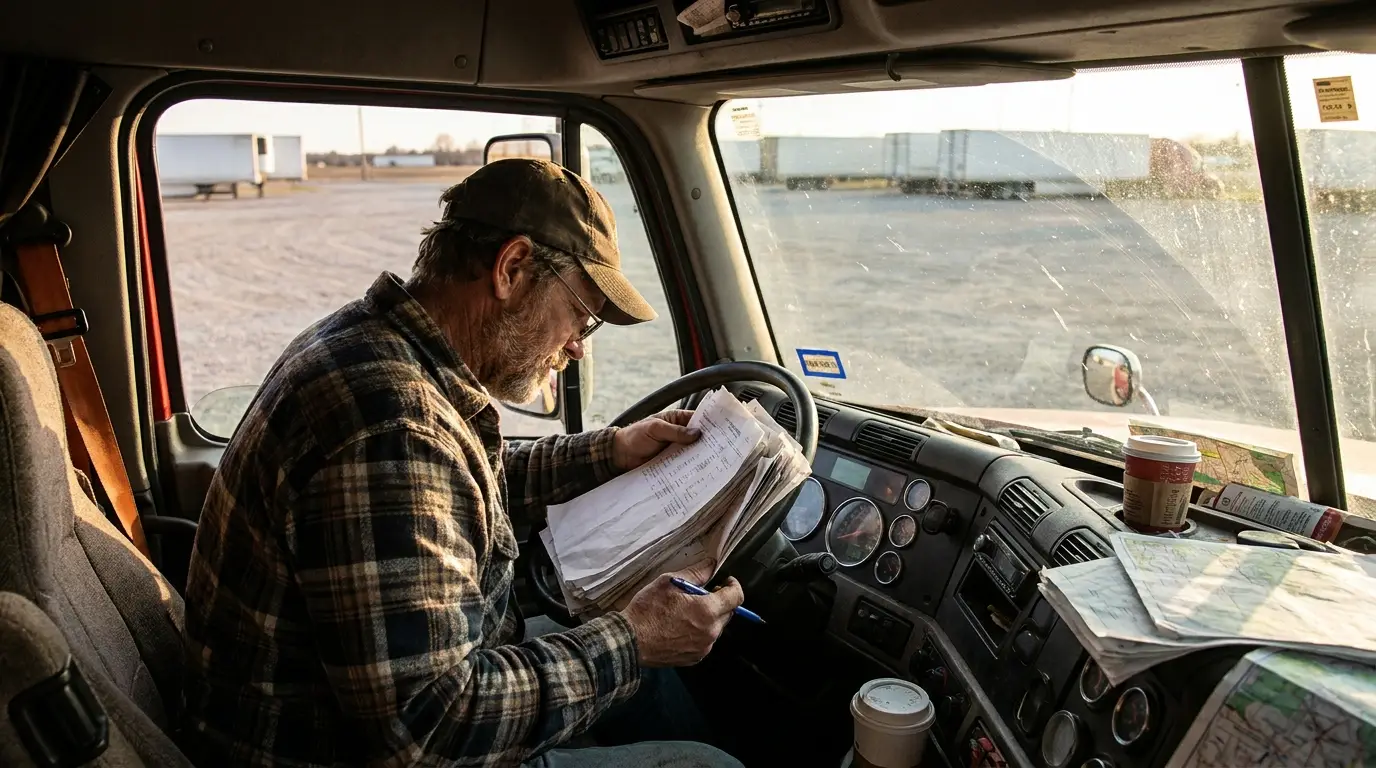
Clearing a refused load into a scrap bin to free the trailer throws away the salvage credit that would have reduced the claim.
What the claim file has to prove
Section 370.7(b) spells out what supports a claim. The bill of lading, evidence of the freight charges, and the invoice or a certified statement of prices or values with any discounts, allowances or depreciation reflected in it. Where the freight was never invoiced to the consignee, or the invoice shows no value, the carrier has to make the claimant establish destination value before it pays voluntarily. Value gets proved, not asserted.
The clock on your side is short. Under 370.5(a) a carrier acknowledges a written claim within 30 days unless it has already paid or declined it, and under 370.9(a) it pays, declines or makes a firm compromise settlement offer in writing within 120 days, then updates the claimant every 60 days while the claim stays open. Keep the signed agreement and the rate confirmation in the same folder as the bill of lading.
Read the liability section before you load
The cheap version of this problem is five minutes with the agreement before the first load. The expensive version is a claim that lands outside both the contract defense and the policy limit. Send us the agreement and the cargo limit you carry now and we will show you where the two do not line up. Get a truck insurance quote in under a minute, or call or text 423-264-4255 and we will work through it with you.
Common questions
Can a broker contract make me liable for more than federal law requires?
Yes. Under 49 U.S.C. 14101(b)(1) a shipper and a carrier can expressly waive, in writing, any or all rights and remedies under that part of the law, and the waived terms cannot be challenged later on that ground. Only registration, insurance and safety fitness are off limits, so the rest of your default cargo liability position is whatever the agreement says it is.
Will my cargo policy pay liability I agreed to in a contract?
Not automatically. A cargo policy covers your liability for covered freight in your care up to the limit you bought, on the terms of the form. Liability you assumed by contract that you would not otherwise have carried can fall outside it. Send the agreement over before you sign it, get a truck insurance quote in under a minute, or call or text 423-264-4255 and we will read the liability section with you.
How long does a cargo claim take to move?
Under 49 CFR 370.5(a) the carrier acknowledges a written claim within 30 days unless it has already paid or declined it, and under 370.9(a) it pays, declines or makes a firm compromise settlement offer within 120 days, with a status update every 60 days after that while the claim is open. On the other side, 49 U.S.C. 14706(e) bars a carrier from allowing less than 9 months to file a claim or less than 2 years to sue.
What am I supposed to do with a load the receiver rejects?
Do not clear it out on your own. 49 CFR 370.11(a) has the carrier give due notice where practicable to the owner and others with an interest, then sell or dispose of the property itself or through a competent salvage agent in a way that fairly protects everyone with an interest. Keep an itemized record and a lot number, and under 370.11(c) record the money recovered and the date it went to the party entitled to it.
Ready for a better rate?
We shop A-rated carriers against each other to find your lowest rate, fast. Under a minute to start, and no obligation.
Prefer to talk it through? Call or text (423) 264-4255 and a licensed agent will walk you through your options.